If you’ve ever been involved in the custom apparel or textile printing industry, you’ve probably heard the two big buzzwords: DTF film and HTV. As a DTF film supplier, I get dozens of questions a week from screen printers, small business owners, and even hobbyists who are trying to pick the right method for their next project. The confusion is totally understandable—both processes produce detailed, colorful designs, and at first glance, they might look interchangeable. But trust me, there are key differences that can make or break your print quality, production time, and bottom line. Let’s break this down without the jargon, so you can make a choice that fits your needs. DTF FILM
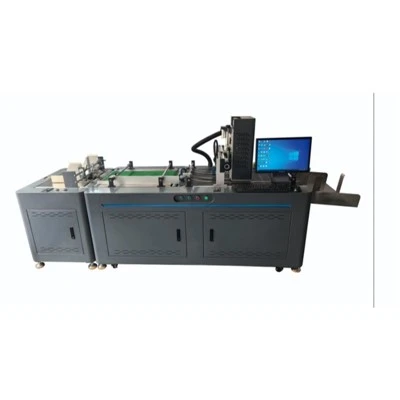
First, let’s start with what each acronym actually stands for, because that’s the foundation. HTV stands for Heat Transfer Vinyl. If you’ve ever ironed a custom t-shirt design onto a plain shirt, you’ve worked with basic HTV. Traditional HTV is a thin, plastic-based film that comes in solid colors (or sometimes patterns) that you cut with a vinyl cutter, weed away the excess parts of the design, then press onto fabric with heat and pressure. DTF, on the other hand, is Direct-to-Film printing. That’s the method we specialize in at our shop. DTF uses a special film (that’s where DTF film comes in) as a temporary carrier: you print the design onto the film with a special inkjet printer, coat it with a adhesive powder, cure it, then press the entire design (still on the film) onto any fabric, peel the film off, and you’re done.
Right away, the first big difference is in how the design is created. HTV is cut, not printed. If you want a design with gradients, fine lines, or dozens of colors, traditional HTV has a major limitation: every color in the design needs to be a separate piece of vinyl. So a design with a red fade, a blue outline, and a yellow logo would require three separate vinyl sheets, three separate cuts, three separate weeding steps, and three separate presses to get on the shirt. That takes way more time, especially for complex designs. With DTF, you print all those colors in one go. You don’t have to cut separate pieces or weed tiny parts of the design—you just send your digital design file to the DTF printer, and it lays down every color, gradient, and detail in a single pass. That’s a game-changer for anyone doing custom apparel, like small brands making hoodies with detailed art, or shops doing personalized gifts like dog bandanas or tote bags.
Durability is another area where the two methods diverge, and this is something our customers test all the time. When HTV is applied, it’s a solid layer of plastic sitting on top of the fabric. Over time, especially after repeated washes, that plastic can crack, peel, or feel stiff. I’ve seen HTV designs on t-shirts that start to flake after 5 or 6 washes, especially if the fabric is stretched a lot (like on athletic wear or kids’ clothes). DTF designs, though, are actually fused into the fabric fibers. The ink seeps into the fabric, not just sitting on top, so it’s much more flexible. I’ve had DTF designs on a t-shirt I wear weekly last over 50 washes, and it still looks as vibrant as the day I printed it. It’s also way softer—you don’t get that scratchy plastic feel that some people hate about HTV. That’s why a lot of our customers who make activewear or kids’ clothing switch to DTF; the kids pull and stretch their clothes constantly, and the designs don’t crack or peel.
Cost is a tricky one, because it depends on the volume of your orders. For small runs, like 1 or 2 custom t-shirts, HTV is usually cheaper upfront. You don’t need a special printer (you can use a basic home vinyl cutter), and the vinyl itself is relatively cheap for small quantities. But as your order size goes up, DTF becomes much more cost-effective. Let’s say you need 50 shirts with a 10-color design. With HTV, you have to cut 10 separate sheets of vinyl for each shirt, which means 500 cuts total, plus 50 weeding steps, plus 50 presses. That’s hours of labor, which adds up fast. With DTF, you print one film roll, press it onto all 50 shirts, and you’re done in a fraction of the time. Even though DTF film and the printer are a bigger initial investment, the labor savings for bulk orders make it way cheaper long-term. I’ve had customers who switched to DTF for orders over 20 units see their production costs drop by 30-40% within a month, just from cutting down on man-hours.
Fabric compatibility is another big difference that trips a lot of people up. HTV works best on cotton, polyester, and other smooth, stretchy fabrics—you can’t really use it on things like nylon, mesh, or even some heavy canvas without it peeling off. And it definitely won’t work on surfaces that aren’t flexible fabric, like mugs, tote bags with exposed canvas, or even canvas sneakers. DTF? It works on almost anything. We’ve supplied DTF film for customers printing on cotton, polyester, spandex, nylon, leather, canvas, and even synthetic fabrics like polyester for workwear. You can even use it on non-textile surfaces, like wood or metal, if you seal the design after pressing. That versatility makes DTF perfect for custom projects that mix apparel and accessories, which is super popular with small business owners right now. I once had a customer who printed DTF designs on both hoodies and leather keychains for a pop-up shop, and that would have been impossible with HTV.
Let’s talk about design limitations too, because that’s where hobbyists often get stuck. If you’re a home user with a Cricut or Silhouette, HTV is limited by the size of your cutting mat and the vinyl sheets. A lot of hobbyists find that they can’t print really large designs (like a full-back hoodie print) with HTV, because cutting a single 2-foot wide piece of vinyl is expensive and hard to weed. DTF can handle way larger designs—our DTF film rolls go up to 60 inches wide, so you can print a full back print on a hoodie, a mural on a tote bag, or even multiple small designs on one roll to maximize your material. Also, fine details: if you have a design with tiny text (like a name tag on a work shirt) or thin lines, HTV can struggle with that. The small pieces of vinyl are easy to tear when you’re weeding, so you have to simplify the design. DTF prints those tiny lines perfectly, because it’s not relying on cutting delicate pieces of vinyl— the printer lays down ink exactly how you want it, no weeding of tiny parts required.
Wait, but it’s not like HTV has no use. I don’t want to make it sound like one is better than the other—they just fit different needs. If you’re a hobbyist who does 1-2 t-shirts a month for family gifts, HTV is probably the easier and cheaper option. You can get a starter kit for $100-$200, which is way less than a DTF printer (which can run $1,500-$5,000 for a home or small business model). If you’re a large apparel brand doing bulk orders, DTF is the way to go for speed and durability. I also have some customers who use both: they do small, simple designs like logos on hats with HTV, and complex, multi-color designs on t-shirts with DTF. It’s all about matching the method to your project.
As a DTF film supplier, I hear a lot of people worried about the learning curve. DTF is different from HTV, so it takes a little time to get the hang of printing and curing the film correctly. You have to get the right amount of adhesive powder, cure the film at the right temperature, and adjust the press time and pressure for different fabrics. But once you get that down, the results are consistent and way less fussy than HTV. I work with a lot of new DTF users who come to us for tips on their first runs, and most say they’re surprised how much faster the process is once they have their setup dialed in. For HTV, the learning curve is more about weeding and lining up multiple designs perfectly—something that takes practice, especially with large orders.
Another thing that’s changed in the last few years is the environmental aspect. HTV is made of PVC, which is a plastic that’s not very recyclable. When you’re done with a design, the excess vinyl and the carrier sheet can’t be easily recycled. DTF film, though, is made of a special polyester film that’s recyclable, and the ink we use for DTF is water-based, which is less harsh on the environment than the solvent-based inks used for some other printing methods. That’s a big selling point for small businesses that want to market their brand as eco-friendly, which is more important to customers than ever.
Let me give a real example to make this concrete. Last quarter, I had a customer who owns a custom apparel shop, and they were getting orders for youth soccer team uniforms. They were using HTV before, but the kids were washing their uniforms after every practice, and the designs were peeling after just 3 washes. They switched to DTF film after talking to me, and within a month, their repeat orders for team uniforms went up 25% because the parents were happy the designs lasted. They also used DTF to add custom numbers and names to each uniform, which would have required separate HTV cuts for each number with the old method. Now, they print one film roll with all the numbers and names, press it onto 20 uniforms in an hour, instead of spending 2 hours cutting and weeding each set of numbers.
If you’re still trying to figure out which one is right for you, here’s a quick cheat sheet: if your projects are small, simple, and you’re just starting out, HTV works great. If you’re doing bulk orders, complex multi-color designs, or need a soft, durable finish that works on lots of different fabrics, DTF is the way to go.
At the end of the day, the choice between DTF film and HTV comes down to your budget, order volume, and the type of designs you’re creating. As someone who’s been in the DTF supply business for 5 years, I’ve helped hundreds of customers make that choice, and I know firsthand that the right method can make a huge difference in your efficiency and customer satisfaction. If you’re ready to test DTF for your next project, or if you have questions about our DTF film, our team is here to help. We can share sample rolls, walk you through setup tips, and work with you to find the right DTF materials for your specific needs. Don’t hesitate to reach out to our team to discuss your project and find out how DTF can streamline your workflow and elevate your custom apparel designs.
UV Hybrid Printer References:
- Textile Institute. (2022). "Comparison of Digital Printing Methods for Textiles." Textile Progress, 54(3), 217-245.
- Smith, J. (2021). Durability Analysis of Heat Transfer Vinyl and Direct-to-Film Prints for Apparel. Journal of Custom Textile Manufacturing, 12(2), 89-102.
- Global Apparel Federation. (2023). "Cost Efficiency of Digital Printing Methods for Small to Medium Businesses." Apparel Industry Report, 19(4), 45-62.
- Miller, L. (2022). "Fabric Compatibility in Custom Textile Printing: DTF vs HTV." Textile Technology Today, 8(1), 33-41.
Shenzhen ZYH Digital Technology Co., Ltd.
As one of the most professional dtf film manufacturers and suppliers in China, we have world-leading production equipment and strong manufacturing capabilities. Please feel free to wholesale durable dtf film at competitive price from our factory.
Address: Niuzai Park, Xinlian Community, Longcheng Street, Longgang District, Shenzhen City, China.
E-mail: sheena@zyh-group.com
WebSite: https://www.uvprinter-zyh.com/
