Hey there, Tree Support Stakes
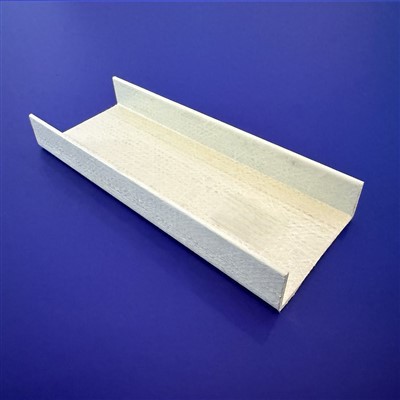
So, if you’ve ever planted a new tree lately, odds are you’ve walked away feeling pretty proud of that hole you dug, the sapling you carefully placed in it, and those trusty support stakes you hammered in—figured it’d keep the little guy straight and stable while it got its roots down, right? I’m someone who’s been in the tree support stakes game for years, and let me tell you, one of the most common mistakes I see people make is leaving those stakes on way too long. Like, way longer than they should. And when they yank ‘em out at the wrong time or the wrong way? Suddenly that tree’s leaning, or its trunk’s weak, or even worse—its roots get ripped up and it dies. Total heartbreaker, especially when you put all that work in.
Today, I’m breaking down exactly how to take those stakes off without accidentally killing your tree, no fancy jargon, just real talk from someone who’s dealt with more sad, stake-killed trees than I’d care to admit. Let’s start with the basics: why we use stakes in the first place. New trees have wobbly root systems, right? They haven’t spread out enough to hold themselves up, especially if you planted ‘em in a windy spot, or a place where dogs might bump into ‘em, or even just on a slope. Stakes do their job, but they’re not meant to be permanent. That’s the big secret most people miss.
First things first—how do you know when it’s actually time to take the stakes off? I can’t tell you how many customers come to me like, “I planted this oak two years ago and it’s still tied up!” No, that’s way too long. For most trees, the sweet spot is between 6 to 12 months after planting. Wait, hold on—let me qualify that. It depends on the tree type, the size of the sapling, and your local weather. If you’re in a super windy area, maybe give it an extra month or two, but don’t push it past a year. Here’s a quick test to tell if it’s ready: give the trunk a gentle nudge, like 2 or 3 inches back and forth. If it doesn’t wobble at all? Great, roots are set. If it still sways side to side like a pendulum? Leave the stakes on for a little while longer. Another trick: look at the trunk itself. After a few months, it should start getting thicker and tougher, not just the top growth. If it’s still skinny and bendy like a reed, it’s not ready.
Now, once you confirm it’s time, how the heck do you remove ‘em without messing the tree up? This is where people go wrong. A lot of folks just yank the stakes straight out of the ground, and when they do, they rip half the root ball right out with ‘em. The roots that spread out from the trunk are delicate, and yanking hard can snap those tiny feeder roots that the tree needs to eat and drink. So step one: loosen the soil around each stake first. Grab a small trowel, dig 2 or 3 inches away from the stake, down to about 6 inches deep, and gently loosen the dirt around it. That way, when you pull, it’s not fighting against compacted soil.
Next, cut the ties that are holding the tree to the stakes. Wait—don’t just snip them at the top! A lot of people snip the tie right where it’s wrapped around the trunk, but that can leave a rough edge that might get infected, or even rub a raw spot that the tree can’t heal. Instead, snip the tie at the stake end first, then carefully slide the loose end off the trunk. If the tie’s been there a while and is stuck, don’t yank it—use a butter knife or a small screwdriver to work it loose, so you don’t scrape or cut the bark. Bark is the tree’s skin, basically—you mess it up, it’s vulnerable to bugs and disease.
Once the ties are off, it’s time to pull the stakes. If the soil’s loose around them, you can usually rock the stake back and forth a few times to loosen it more, then pull straight up. If it’s still stuck, don’t use a hammer to bang it out—instead, grab two pairs of pliers, wrap ‘em around the top of the stake, and wiggle it side to side while pulling up slowly. If it’s really stubborn, you can pour a little water into the hole around the stake to soften the dirt more, wait 10 minutes, then try again.
Now, here’s a pro tip I learned years ago: if you’re removing both stakes (most small to medium trees use two, right?), don’t take them both off at once. Take one out, wait a few days, test the tree’s wobble again. If it still stands steady, take the second one out. That way, you give the tree a little time to adjust to being on its own, instead of yanking all support at once. I once had a customer who took both stakes out of a 3-year-old maple in one go, and it leaned so bad it looked like it was doing the limbo. By waiting a few days, the tree’s trunk gets used to bearing its own weight, and it’s way less likely to lean once the stakes are gone.
Wait, what if your tree is bigger? Like, a 10-foot sapling that used three stakes? Same rule applies, but maybe give it an extra week between removing each one. And don’t forget to clean up after you’re done. The old ties—those can be plastic or rope, and if you leave ‘em lying around, they might attract pests, or even get tangled in the new growth of the tree. Pick up all pieces, and dispose of ‘em properly. Also, check the holes left by the stakes. If they’re deep, you can fill ‘em back in with loose soil, just make sure not to pack it too tight—roots need air too.
Is there ever a time when you shouldn’t remove stakes? Hmm. I’ve only seen one exception: if you planted a tree in a super windy coastal area, or a spot where construction might disturb it, and it’s still wobbling after 18 months. But even then, you should swap the stakes for something more flexible, like a trellis, instead of leaving the original rigid stakes on. Rigid stakes make the trunk weak because the tree doesn’t have to work to stay straight. The trunk gets stronger when it sways a little in the wind, right? That’s called “wind training,” and it’s way better for the tree long-term than being locked up tight.
Another mistake I see people make: using stakes that are too big, or tying them too tight. If the tie is so tight that it’s cutting into the trunk, that can girdle the tree, which means it can’t move water and nutrients up and down. Even when you remove the stakes, that tight tie can leave a scar that weakens the trunk. That’s why when you’re using our tree support stakes, we always tell folks to leave a little slack in the tie—you should be able to slide a finger between the tie and the trunk. That way, as the tree grows, it doesn’t get constricted.
Let’s talk about a common myth, too: some people think if you don’t have stakes, the tree will blow over. But actually, a properly staked tree that gets removed on time will develop a strong root system and a thick trunk that can handle wind way better than a tree that’s left unprotected when it’s wobbly. The key is balance—stakes when you need ‘em, no stakes when you don’t.
What if you already left your stakes on too long, and the tree is leaning a little? Can you fix it? Yes, but be careful. Don’t just yank the stakes and try to straighten it— that can snap the roots. Instead, prop it up with temporary wooden braces, tie it loosely, and wait until the next growing season to re-stake it properly, then remove the new stakes on time. I’ve helped a few customers with this, and it works if you don’t rush it.
Now, why am I telling you all this? Because I’ve been in this business for a decade, and I’ve seen the difference between a tree that’s supported the right way and one that’s mismanaged. Our team makes tree support stakes for exactly this reason—they’re durable, easy to install, and designed so you can remove ‘em without hassle when the time comes. We don’t just sell products; we want your trees to thrive, because that’s what this is all about.
If you’re not sure if your tree is ready to remove the stakes, or you need help picking the right support for your sapling, feel free to reach out to us. We can chat about your tree type, your local climate, and what’s the best timeline for your specific situation. No pushy sales stuff, just real advice from people who know trees and know stakes.
Wait, quick recap to make sure you don’t forget anything: 1) Time it right—6-12 months, check the wobble test. 2) Loosen soil around stakes before pulling. 3) Cut ties at the stake end, not the trunk. 4) Pull stakes slowly, rock ‘em if stuck. 5) Remove one at a time, give the tree time to adjust. 6) Clean up all ties and debris.
Don’t make the mistake of thinking stakes are forever. Trees are living things, they grow, they need to adapt. The best thing you can do after planting is give ‘em the support they need when they’re tiny, then step back when they’re strong enough to stand on their own. That’s how you get a tree that’ll be around for decades, not a tree that gets killed by leftover stakes.

If you’re in the market for quality tree support stakes, or have questions about when to remove yours, hit us up. We’re here to help your trees grow healthy and strong, from the first stake all the way to when they’re tall enough to shade your whole yard.
Plant Support Systems References:
- University of California Agriculture and Natural Resources. (2021). Tree Staking and Guying Guidelines for Urban Landscapes.
- International Society of Arboriculture. (2020). Best Management Practices for Tree Installation and Establishment.
- USDA Forest Service. (2019). Guidelines for Staking Young Trees to Ensure Proper Establishment.
Yizheng Wanteng Composites Co., Ltd.
As one of the most professional tree support stakes manufacturers and suppliers in China, we’re featured by quality products and good service. Please rest assured to wholesale bulk slip-resistant tree support stakes for sale here from our factory. Contact us for pricelist.
Address: No.20 Longyi Road, Qingshan Town Industrial Park, Yizheng City, Jiangsu Province, China
E-mail: mark@wantfrp.com
WebSite: https://www.wantfrp.com/
