If you’ve ever walked past a PVC or wood-plastic composite (WPC) profile extrusion plant, you might not notice it at first, but there’s a whole invisible system working behind the scenes to keep the line running safely, efficiently, and without polluting the air. That’s the ventilation system— and as a supplier of PVC/WPC profile extrusion lines, I can’t stress enough how critical it is to get this right. A lot of new producers I talk to focus on the extruder, the die, or the cooling tank first, but skip ventilation until they run into a big problem: fumes building up, mold growing, or even OSHA (or whatever local workplace safety board they follow) coming to knock on their door. Let’s break down exactly what the ventilation system on one of these lines actually does, how it works, and why it’s non-negotiable for your production. PVC/WPC Profile/wood-plastic Extrusion Production Line
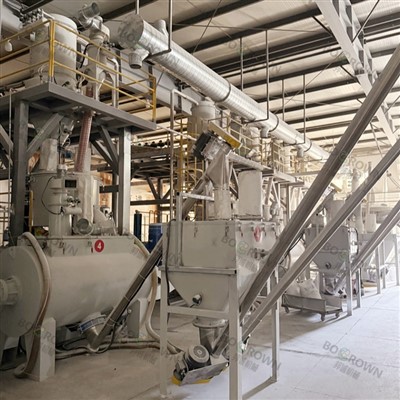
First, let’s start with the basics: what even makes PVC and WPC profiles give off stuff that needs ventilating? PVC is a plastic, so when it’s heated in the extruder to melt it into a shape, it releases volatile organic compounds (VOCs) like vinyl chloride, especially if you’re processing rigid PVC for window frames or siding. WPC is a mix of wood flour, plastic, and sometimes additives like colorants or stabilizers, so it gives off fine wood dust and a mild amount of plastic fumes too. If those fumes and dust hang around the line, they don’t just smell bad—they can make workers sick over time, cause dust explosions if concentrations get too high, and even mess up the quality of your profiles. Fumes that settle on the die, for example, can make the surface of your profile cloudy or uneven, which is a total waste of material and time.
So what parts make up the ventilation system on a standard PVC/WPC profile extrusion line? It’s not just one big fan sitting on the roof. It’s a series of connected zones, each with its own purpose, that pull air, filter out the bad stuff, and push clean air back into the plant or outside. Let’s go step by step through the extrusion line to map where each ventilation component lives.
First stop: the extruder barrel. This is where raw materials (PVC resin, wood flour, plastic pellets, additives) are fed into and heated to melt. When those materials heat up, they start releasing fumes right at the feed throat and along the barrel vents. If you don’t pull that air away immediately, those fumes will circulate back into the raw material hopper, contaminate new raw material, and lower your material quality. That’s why almost every extrusion line has a local exhaust ventilation (LEV) hood right above the extruder’s vent ports. The hood is usually made of lightweight aluminum so it doesn’t get corroded by the fumes, and it’s connected to a small dedicated fan that pulls the fumes straight out before they can spread. I’ve seen lines skip this part and end up with hoppers full of discolored material because of trapped fumes—easy win to get right.
Next, right after the extruder is the die. This is where the molten PVC/WPC is forced through a shaped metal plate to get its final profile shape (like a window frame edge, a deck board, or a fence slat). The die gets really hot, so a lot of leftover fumes and tiny plastic particles build up here. If you don’t ventilate the die area, those particles will harden on the die surface over time. Every time you have to shut down to clean the die, that’s lost production time—sometimes an hour or more, multiple times a week. So we add a larger LEV hood that covers the entire die and the area right after it where the hot profile comes out. This hood pulls the fumes away fast, so the die stays clean longer and you don’t have to shut down as much.
After the die, the hot profile goes through a cooling tank, usually with water, to set its shape. A lot of people don’t realize this, but the hot profile will release steam and residual fumes as it cools. If you don’t ventilate the cooling tank area, that steam will make the whole plant humid, which can cause mold on walls and electrical parts, and also make workers’ work miserable (no one wants to breathe damp, smelly air all day). So we have another ventilation system here—usually a combination of overhead exhaust fans that pull the moist, fume-filled air out from above the cooling tank, and sometimes a small duct that blows clean, dry air over the top of the profile as it leaves the tank to speed up drying. That dual setup cuts down on humidity way more than just one fan alone.
Then there’s the calibration table. This is a long table with vacuum grooves that hold the profile in shape as it cools. A lot of calibration tables have small gaps or vents, and fumes and dust can get trapped in there. If you don’t ventilate the calibration table, those trapped particles can get kicked onto the profile surface, causing small imperfections or even streaks in the final product. We add small exhaust ports along the sides of the calibration table to pull that air out, so the surface of your profile stays smooth and defect-free. That’s a small detail, but it makes a huge difference when you’re dealing with high-quality profiles for construction—no customer wants a profile with tiny surface marks.
Now, what happens to all that air we’re pulling out? It’s not just vented straight outside—we don’t want to pollute the air, and also, a lot of the particles can be reused. So the next part of the system is the air cleaning unit. For PVC/WPC lines, this is usually a two-part system: first a cyclone separator, then a filter. The cyclone spins the dirty air fast, so large particles (like excess plastic or wood dust) get flung to the sides and fall into a bin below. Those particles can often be ground up and added back into raw material, which cuts down on material waste—another big win for efficiency. Then the air goes through a HEPA filter or a carbon filter, depending on the fumes. HEPA filters catch tiny dust particles and plastic bits, while carbon filters absorb VOCs, so the air coming out is safe to release outside. Some smaller lines skip the filter part, but that’s a mistake—you’ll end up with fine particles blowing onto other parts of the plant, or fumes that get stuck in the roof, leading to corrosion over time.
Wait, there’s also one more part a lot of people forget: general area ventilation for the whole production space. The local LEV hoods we talked about cover specific points, but if your whole plant is full of fumes leaking from the line, you’ll still have problems. So we recommend adding supply fans that push clean, fresh air into the plant, and exhaust fans in other areas to pull stale air out. This keeps air moving, so even small leaks from the extrusion line don’t build up. It also helps control temperature—extrusion lines generate a lot of heat, so good general ventilation keeps the plant from getting too hot, which makes workers more comfortable and less likely to make mistakes.
Now, let’s talk about common mistakes I see customers make with their ventilation systems. First, undersized fans. A lot of people try to save money by buying a smaller fan than needed, but if the fan can’t pull enough air, the fumes just stay in the line. You have to size the fan based on the total volume of air you need to pull out, not just guess. Second, poor duct design. If the ducts are too narrow, or have too many sharp turns, the air can’t flow smoothly, so the hoods don’t work as well. Third, not maintaining the system. Filters get clogged over time, ducts get covered in dust, so you have to clean or replace them every few months. I have a customer who forgot to replace their carbon filter for a year, and they ended up with fumes building up in the plant so bad their workers complained of headaches—cost them a week of lost time while they fixed it.
For my customers who are just setting up a new PVC/WPC extrusion line, I always work with them to size the ventilation system correctly. It’s not a one-size-fits-all thing—if you’re making large WPC deck boards, you need a bigger fan for the die area than if you’re making small PVC trim pieces. We also offer options for variable speed fans, which adjust how much air they pull based on how hot the line is running—this saves energy, since you don’t have the fan running at full speed when production is low.
So why does this all matter for you, the producer? Good ventilation doesn’t just keep you compliant with safety rules—it makes your production more efficient, your products higher quality, and your workers happier. Happy workers are more productive, and higher quality products mean less waste and more repeat customers. I’ve had customers tell me that since we installed the right ventilation system, their die cleaning time went down by 30%, and their defect rate on profiles dropped by 15%—that’s real money saved.
If you’re in the market for a new PVC/WPC profile extrusion line, don’t sleep on the ventilation system. A lot of suppliers will sell you a line and skimp on the ventilation to cut costs, but that’ll come back to bite you. As someone who’s been doing this for years, I can tell you the ventilation system is one of the most important parts of the whole line. It’s the unsung hero that keeps everything running smoothly behind the scenes.
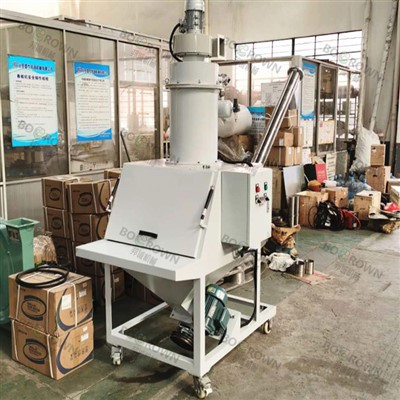
If you want to learn more about how we can customize the ventilation system for your specific production needs, or get a quote for a complete PVC/WPC profile extrusion line, reach out to me today. We’ll walk you through every part, make sure it fits your space and your production goals, so you don’t have to deal with the headaches of bad ventilation down the line. Don’t wait until you run into fume issues, die clogs, or safety problems—get it right from the start.
Feeding System References
- Whelan, A., & Kearns, M. (2019). Ventilation Systems for Plastic Extrusion Processes: Design, Operation, and Maintenance. Journal of Industrial Hygiene and Occupational Safety, 45(2), 112–128.
- Wood-Plastic Composite (WPC) Manufacturing Guidelines (2021). National Institute of Wood Science and Technology, United States.
- Occupational Safety and Health Administration (OSHA) Standards for Volatile Organic Compound Exposure in PVC Processing (2020). U.S. Department of Labor.
- Plastics Extrusion Technology Handbook (2018). Society of Plastics Engineers (SPE), 3rd Edition.
ZJG BC Machinery Co., Ltd.
As one of the most professional pvc/wpc profile/wood-plastic extrusion production line manufacturers and suppliers in China, we’re featured by quality products and good price. Please rest assured to buy cost-efficient pvc/wpc profile/wood-plastic extrusion production line for sale here from our factory. Contact us for custom service and OEM service.
Address: No.8 Lexi Road, Leyu Town, Zhangjiagang City
E-mail: sales@bcextruder.com
WebSite: https://www.bcextruder.com/
