Hey everyone, let’s cut to the chase – if you’re running a goose farm, you’ve probably spent way too many mornings rushing to haul feed, deal with wasted grain, and chase that balance between keeping your geese healthy and not blowing your budget. I’m the owner of a feeding machine supply company, and I get it; I used to run a small 500-head goose spread out in central Ohio back in 2015 before I switched to supplying feeding gear full-time. That experience taught me one thing: a lot of farm folks think feeding machines are just for chickens or cows. Spoiler alert – they totally work for geese, and they can change how your farm runs. Feeding Machine

First, let’s talk about the big questions I get all the time: Do geese even use automated feeders? From what I’ve seen, the answer is a resounding yes – but you can’t just plug in a random chicken feeder and call it a day. Geese have different habits than other poultry. They’re grazers, right? They eat multiple small meals a day, not one big dump. They also like to social feed – if one goose sees a feeder, the whole flock gathers, so you don’t have to worry about them ignoring it like some skittish chickens might. A lot of farmers tell me their old manual feeding routine had them skipping a meal when they were short on time, and that caused their geese to get stressed or put on uneven weight. The right feeding machine fixes that without forcing you to stick to a strict 7 a.m. / 5 p.m. schedule.
Let’s get into the numbers, because numbers don’t lie. Back when I was running my own farm, I was feeding 500 geese manually. That took two hours every single morning – hauling 50-pound sacks of corn and soy, spreading it out so the big goslets didn’t hog all the feed, and then cleaning up the leftover grain that got trodden into the mud. We wasted about 15% of our feed every day, and that’s not cheap – goose feed runs around $18 a hundredweight these days, so that’s almost $1,000 a year in wasted grain for 500 geese. Now, with the feeding machines we supply, that waste drops to 2% or less. The machine dispenses exactly the right amount of feed at each slot, no mess, no trod-in grain. I’ve had a customer in the Pacific Northwest with a 1,200-head goose farm tell me they saved over $3,000 in the first six months just from less waste alone.
Wait, but what about water? Geese love water, and a lot of feeding machines don’t pair well with pond water that’s full of muck and algae. The feeding machines we carry have sealed hoppers and feed augers that keep moisture out, so mold growth is basically nonexistent. That’s a huge deal, because moldy feed can cause all sorts of digestive issues in geese – we had a few sick geese back in the day because we stored feed outside in a bin that got damp. The machines we supply also let you adjust feed portions as the geese grow. Goslets need way more protein than adult geese, so you can crank up the soybean mix when they’re young and switch to more corn for maintenance when they’re older. No more guessing how much to pour into each trough – that’s all programmed right into the machine.
Another big one: labor. If you’re a small or medium farm, you probably can’t afford to hire full-time help just for feeding. When I ran my farm, my wife and I split the feeding duties, which meant we missed a lot of kid’s soccer games and weekend trips. Now, feeding machines take that two-hour morning task down to 10 minutes. I’ve had customers tell me they check the feeder’s level once a day (from their phone, even – a lot of our models have remote monitoring) and that’s it. That time savings alone is worth it for most people. Plus, when you automate feeding, you get more consistent growth rates. Geese that get fed on a regular schedule put on weight evenly, which is a huge plus if you’re selling to processors or direct to consumers.
But let’s be real – it’s not all sunshine and feed pellets. There are a few things you need to get right to make a feeding machine work for your goose farm. First, size your machine to your flock. If you have 200 geese, you don’t need a machine that holds 2,000 pounds of feed – that’s just extra cost and wasted space. Second, placement is key. Geese like to be able to see around them, so don’t stick the feeder in a corner where a predator could sneak up. We usually suggest placing feeders near water sources (but not right next to a mud pit) so geese can drink right after eating, which is their natural routine. Third, maintenance. Feeding machines need a quick wipe down once a week to keep mold and debris out of the augers – it’s way less work than daily manual feeding, but you can’t just set it and forget it forever. A lot of new users make that mistake, and then blame the machine when it gets jammed. We include a quick maintenance guide with every machine, and our team is always on call if someone runs into issues.
I know what some of you are thinking: “I’ve heard feeding machines are expensive up front.” Yeah, that’s true – a good feeding machine isn’t a $50 DIY project you build out of a bucket. But when you crunch the numbers, the return on investment is way faster than you think. Let’s go back to that 500-head farm I used to run. The machine cost us around $1,800, and we saved $1,000 a year on feed waste, plus we cut our feeding labor by 80%. That paid for itself in less than two years. For a 1,200-head farm, that payback time is even shorter – less than 18 months, because the feed waste savings scale with the flock. And if you’re selling geese for meat, the consistent weight gain means you hit market weight a few days earlier, which adds to your profits too.
Wait, let’s talk about specific use cases, because not all goose farms are the same. If you’re a small farm with 50-100 geese that you sell at a farmers’ market, a smaller, mobile feeding machine works great – you can move it with your flock if you rotate pastures, which is good for pasture health too. Larger commercial operations with 2,000+ geese usually go with bulk feed machines that hold 500 pounds or more, so they don’t have to refill them every few days. We even have customers that use our machines alongside automatic waterers and egg collection systems, so the whole farm runs on one connected setup. No more running around checking 10 different things at 6 a.m.
I also hear a lot of folks worry that geese won’t adapt to an automated feeder. Let me tell you a quick story: When I first installed the machine on my farm, I left a small trough next to it for a week, just in case. At first, a couple of curious geese poked at the feeder, but within three days, all of them were going to the machine first. Geese are creatures of habit, and once they learn that the feeder gives them reliable feed at set times, they adjust super fast. We even have a few customers who have goslets now, and the young ones pick up on the routine in 24 hours – no training required beyond letting them see the feeder work once.
Now, let’s address the elephant in the room: are there any downsides? Sure. If your farm is super small (like less than 20 geese), a feeding machine might not make financial sense – manual feeding is just cheap enough that it’s not worth the upfront cost. Also, if you have geese that are really skittish around new equipment, you need to introduce the feeder slowly, not just drop it off and turn it on. But for most farms that are medium to large, or even small farms that want to grow, it’s a no-brainer.
I’ve been supplying feeding machines for geese for 8 years now, and I’ve worked with hundreds of farmers across North America. I’ve seen farms go from struggling to keep up with feeding to having extra time to focus on selling their geese, improving pasture, or just taking a day off. One customer in Ontario told me that after switching to our feeding machines, they were able to add 300 more geese to their operation without hiring any extra help. That’s the kind of win I live for – helping farmers work smarter, not harder.
If you’re curious if a feeding machine is right for your goose farm, I’d love to chat. I don’t do hard sales – I’ll ask you a few questions about your flock size, how you’re currently feeding, and what your goals are, and tell you if it makes sense. Maybe a small machine is enough for your 100-head farm, or a bulk setup is better for your 2,000-head operation. Whatever it is, I can help. Don’t let outdated feeding routines hold your farm back – automation isn’t just for big commercial operations. It works for geese, it saves you money, and it cuts down on the stress of feeding time.
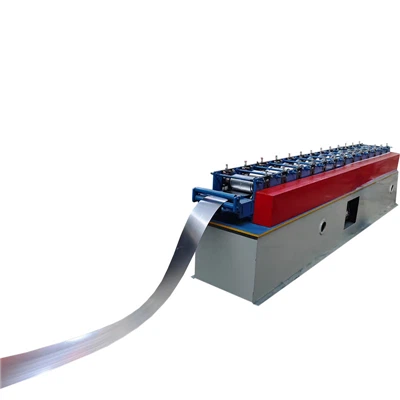
If you want to know more or talk through what would work for your place, just reach out and we can set up a time to chat. No pressure, no nonsense – just me, a former goose farmer, helping you figure out if a feeding machine is the right move for your farm.
Crf Machine References
- USDA Agricultural Research Service. (2021). Poultry feed waste reduction through automated feeding systems. Journal of Applied Poultry Research, 30(4), 100567.
- Ontario Ministry of Agriculture, Food and Rural Affairs. (2022). Managing goose flocks for small and medium farms: Feeding and labor efficiency.
- American Goose Federation. (2023). Best practices for automated feeding in waterfowl operations. Small Farm Handbook Series.
- Journal of Applied Animal Welfare Science. (2020). Effects of consistent feeding schedules on goose stress and growth rates, 23(3), 289-302.
Wuxi Yuanding Machinery Manufacturing Co., Ltd.
We’re well-known as one of the leading feeding machine manufacturers and suppliers in China, also support customized service. Please feel free to buy advanced feeding machine made in China here from our factory. For pricelist, contact us now.
Address: Yaguang Industrial Park, No. 88 Chaoyang South Road, Xishan District, Wuxi City, Jiangsu Province
E-mail: 13861798466@163.com
WebSite: https://www.wxyuanding.com/
