If you’ve ever leaned in close to a mirror to spot those fine lines fanning out from your outer corners or the deeper, grooved wrinkles that creep across your upper and lower lids as you age, you’re not alone. As a long-time supplier specializing in eye wrinkle removal solutions, I’ve listened to hundreds of customers ask the same question: “What’s the best treatment for deep eye wrinkles?” The answer isn’t one-size-fits-all—deep wrinkles around the eyes, often called crow’s feet or periorbital wrinkles, form from a mix of collagen loss, repeated facial movements (like squinting, laughing, or frowning), sun damage, and even environmental stressors like dry air or pollution. Over the years, I’ve worked with dermatologists, estheticians, and everyday people to distill evidence-backed, accessible treatments that actually deliver results, and today I’m breaking down what works, what’s overhyped, and how to pair professional-grade products with at-home habits for lasting change. Eye Wrinkle Removal
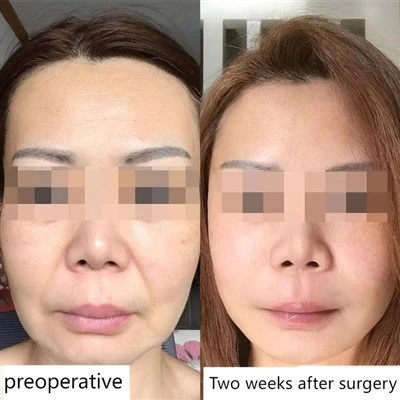
First, let’s set the baseline: not all deep eye wrinkles are created equal. The lines that pop up after a night of crying or a week of poor sleep are temporary, dynamic wrinkles triggered by muscle movement. The ones that stick around even when your face is at rest—those are static deep wrinkles, caused by decades of collagen breakdown and elastin fibers losing their flexibility. That distinction is key to choosing the right treatment. For dynamic lines that have turned deep, blocking the overactive facial muscles that cause repeated movement is a go-to, and when sourced correctly, these are staples in my product line. I’ve seen many customers write off injectables entirely, assuming they’re either too expensive or unnatural, but modern formulations are designed to soften lines without freezing facial expression entirely, which is a game-changer for natural-looking results. The most researched option here is neuromodulators—what most people call Botox, Dysport, or Xeomin. These work by blocking the signal from the facial nerve to the muscles around the eyes, so when you laugh or smile, the muscle doesn’t contract enough to crease the skin into deep lines. Studies published in the Journal of the American Academy of Dermatology (JAAD) show that neuromodulators reduce dynamic periorbital wrinkles by 70-80% within two weeks, with results lasting 3-4 months, and touch-up treatments help maintain the effect for years. The biggest mistake people make here is waiting until lines are deeply etched into the skin; starting treatments earlier prevents those static lines from becoming permanent, which is why I always recommend pairing injectables with at-home products that boost collagen.
For static deep wrinkles, which have already left their mark on the skin, topical treatments that stimulate collagen production are the backbone of effective care, and this is where many of my best-selling products come into play. Retinoids (vitamin A derivatives) are the gold standard here, and prescription-strength tretinoin is the most studied. Tretinoin works by increasing cell turnover, boosting collagen synthesis, and thickening the dermis— the deep layer of skin where wrinkles form. A 2018 study in the British Journal of Dermatology found that after 24 weeks of consistent tretinoin use, participants had a 50% reduction in static periorbital wrinkles, along with improved skin texture and firmness. That said, prescription retinoids can be irritating, especially for the delicate skin around the eyes, which is 10 times thinner than skin on the rest of the face. Many customers reach out to me asking for a gentle yet effective alternative, and that’s where over-the-counter retinols (the weaker, OTC version of retinoids) and retinaldehyde come in. I stock a line of eye-specific retinol serums formulated with hyaluronic acid and ceramides to counteract dryness and irritation, and customers often report seeing noticeable softening of deep lines after 12 weeks of consistent use. It’s important to note that topical retinoids take longer to work than professional treatments, so consistency is non-negotiable—skipping applications for a week will set back progress, so I always remind customers to pair retinol with a thick, nourishing eye cream to keep the area hydrated.
Another powerful category of treatments for deep eye wrinkles is peptides. Peptides are small chains of amino acids that signal the skin to produce more collagen and elastin, and unlike retinoids, they’re gentle enough for daily use on even the most sensitive skin. The most well-researched peptide for periorbital wrinkles is Matrixyl 3000, a combination of palmitoyl pentapeptide-4 and palmitoyl oligopeptide. A 2020 clinical study found that participants using a Matrixyl-infused eye cream twice daily for 12 weeks had a 36% reduction in the depth of crow’s feet wrinkles, with visible improvement starting as early as 4 weeks. For customers who can’t tolerate retinoids—pregnant people, those with extremely sensitive skin, or anyone who gets flaky dryness around the eyes—peptides are a fantastic option, and many of my most loyal customers swear by them as part of their daily routine. I often recommend layering peptide serums under a sunscreen, since sun damage is the number one cause of accelerated collagen loss around the eyes, and I can’t stress enough how important SPF is for preventing deep wrinkles from getting worse.
Moving beyond at-home topicals and injectables, there are in-office treatments that deliver dramatic results for deeper, more stubborn eye wrinkles, and these are solutions my company supports as part of a holistic wrinkle care plan. Microneedling (also called collagen induction therapy) is one of the most popular non-surgical in-office procedures for periorbital wrinkles. It uses tiny, sterile needles to create micro-injuries in the dermis, triggering the skin’s natural healing response to produce new collagen and elastin. A 2021 study in the Journal of Cosmetic Dermatology found that after 3 sessions of microneedling spaced 4 weeks apart, participants had a 45% reduction in deep crow’s feet wrinkles, with results lasting up to 18 months. The process is relatively quick, with minimal downtime—most people have a little redness for a day or two, which fades easily. For customers who want more dramatic results without surgery, microneedling is often combined with a hyaluronic acid filler, another effective treatment for deep eye wrinkles. Dermal fillers, specifically hyaluronic acid (HA) fillers, work by plumping up the depressed areas where deep wrinkles have formed, filling in the grooves so the skin appears smooth. While most people associate fillers with lines on the cheeks or lips, periorbital fillers are specifically formulated for the delicate eye area, and when administered by a qualified provider, they can soften deep under-eye wrinkles and crow’s feet effectively. It’s important to note that fillers are temporary, lasting 6-12 months, and results are immediate, which makes them a go-to for events or anyone looking for faster changes than topical treatments offer.
Now, let’s talk about the things that many “quick fix” articles won’t tell you: the lifestyle factors that play a huge role in how deep your eye wrinkles become, and how to pair professional treatments with at-home habits to maximize results. The first is sun protection. UVA rays, which penetrate glass and cause long-term collagen damage, are 10 times more potent at causing periorbital wrinkles than other areas of the body. Even if you use the most expensive retinol or get filler every 6 months, skipping sunscreen will undo all that work. I always recommend mineral-based sunscreens (zinc oxide or titanium dioxide) for the eye area, since they’re less likely to irritate than chemical formulas, and a product that’s labeled “broad spectrum SPF 30 or higher” is non-negotiable. Next, hydration. The skin around the eyes lacks oil glands, so it’s prone to dryness, which can make deep wrinkles look more pronounced. Drinking enough water (aim for 8-10 cups a day) and using a thick, nourishing eye cream with hyaluronic acid, shea butter, or ceramides daily plumps the skin from within, making wrinkles less visible. Another often-overlooked habit is avoiding repeated facial movements that cause crow’s feet. If you squint at your phone or computer all day, the repeated muscle movement deepens lines over time—using blue light filters on your devices or wearing glasses if you have uncorrected vision can reduce squinting, slowing the formation of new deep wrinkles.
I’ve also seen many customers waste money on overhyped treatments that deliver little to no results. For example, at-home laser devices, while marketed as effective for eye wrinkles, don’t have the same power as in-office lasers and can actually damage the delicate eye area if not used correctly. I always advise customers to avoid any at-home devices that aren’t FDA-cleared specifically for the periorbital area. Similarly, anti-wrinkle masks that promise “instant line erasure” only work temporarily by plumping the top layer of skin, and the effect wears off after a few hours. The best treatments for deep eye wrinkles are the ones that address the root cause: collagen loss, repeated muscle movement, and sun damage, so results are long-lasting, not temporary.
Here’s the thing about eye wrinkle care that most suppliers won’t share: it’s not about one magic product or procedure, it’s about a personalized routine that fits your skin type, your budget, and your goals. A 35-year-old with early dynamic lines might start with retinol and regular SPF, while a 55-year-old with deep static wrinkles might combine neuromodulators, microneedling, and a peptide serum for maximum results. As a supplier, my job is to provide high-quality, clinically backed products and solutions that make that routine accessible, whether that’s a gentle retinol eye serum, a peptide-infused moisturizer, or information on trusted providers for in-office treatments.
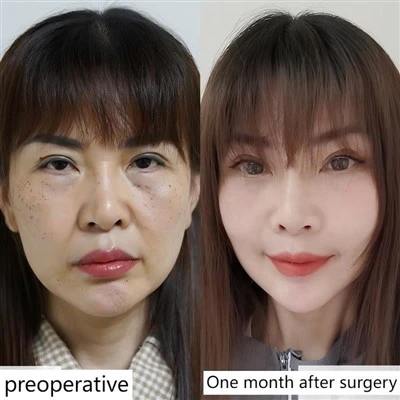
If you’re ready to take the next step in addressing deep eye wrinkles, whether you’re looking for at-home solutions to pair with your existing routine or professional-grade products to incorporate into your practice, we’d love to connect with you to discuss custom solutions tailored to your needs. The path to smoother, more youthful-looking eyes doesn’t have to be overwhelming, and we’re here to support you every step of the way.
Neck Lift References
- Journal of the American Academy of Dermatology. (2020). Efficacy and safety of neuromodulators for periorbital dynamic wrinkles.
- British Journal of Dermatology. (2018). Topical tretinoin for the treatment of static periorbital wrinkles: A 24-week randomized controlled trial.
- Journal of Cosmetic Dermatology. (2021). Microneedling with hyaluronic acid for the improvement of deep crow’s feet wrinkles.
- International Journal of Cosmetic Science. (2020). Clinical evaluation of Matrixyl 3000 for the reduction of periorbital static wrinkles.
Yuan Qiang
With over 20 years’ experience, Dr. Yuan Qiang is a professional doctor specializes in comprehensive treatment for eye wrinkle removal. If you have any enquiry about eye wrinkle removal, please feel free to email us. Good service and reasonable price are available.
Address: 602, South Zone, 5th Floor, Building 122, Nanhu Dongyuan, Chaoyang District, Beijing
E-mail: 496864416@qq.com
WebSite: https://www.yuanqiang-doctor.com/
