Hey pool fam, let’s cut to the chase: if your days of jumping into freezing, too-quickly-cooled pool water are over, you’re probably here because you’re ready to pull the trigger on a pool heater. And hey, if you’re checking this out as a pool accessories supplier? Wait, no—wait, actually, I’m the person helping you install that heater, and full transparency, I work with a pool accessories company that hooks up homeowners with the right gear and straight answers, no sales fluff. Swimming Pool Accessories

Installing a pool heater isn’t rocket science, but skip the corner cuts and you’ll either waste money or be fixing something way sooner than you should. I’ve seen it all: people grabbing the wrong size hose, skipping the pressure test, even drilling into gas lines by accident (shoutout to that neighbor who turned their backyard into a DIY ice rink for a week because of that, oops). Today, I’m walking through this step-by-step like I’m chatting with a buddy over a cold soda—no fancy jargon, no confusing fine print, just what you actually need to know to get that heater running this weekend.
First, let’s start with the basics before you even touch a tool. This is non-negotiable: know what kind of heater your pool setup needs. You’ve got three main types, and picking the wrong one is like trying to fit a 5lb bag of potatoes into a 2lb bag. There’s gas (propane or natural), electric heat pump, and solar. Gas is fast—great if you wanna heat your pool in a day, perfect for quick weekends or cooler climates. Heat pumps are cheaper to run long-term, but they suck when it’s under 50°F outside. Solar is eco-friendly but depends on sunlight, so you gotta have room for panels.
Now, what size? This is where most people mess up. You don’t just go “bigger is better”—no, that’s how you blow your budget and get a heater that cycles on and off nonstop (wastes energy, breaks faster). For gas heaters, here’s the rough rule: take your pool’s total water volume (length x width x average depth x 7.5, right? That’s the formula for gallons, fyi) and multiply that by 12. Then match that number to the heater’s BTU rating. For example, a 15,000-gallon pool needs a ~180,000 BTU gas heater. For heat pumps, it’s a bit different: take your pool volume, multiply by 20, that’s the BTU range you need.
Wait, and before you buy, double-check if your pool’s filter and pump can handle it. Heaters need a consistent flow of water—if your pump’s too small, your heater’ll shut off as a safety thing. Most pool accessories suppliers list “compatible with standard 1.5HP pumps” on products, so that’s a good baseline, but if you’ve got an older or weird setup, send a photo to your supplier and ask—we’re happy to help, no pressure.
Okay, gear check time. You can’t use the random pipe pieces under your sink, trust me. Let’s list the stuff you’ll actually need:
- The heater itself (duh, make sure it’s UL-listed—safety first, always)
- PVC pipes and fittings: 2” is standard for pools, but again, match to your heater’s specs
- PVC primer and cement (wait, get the right kind—not the cheap stuff from the dollar store. We’ve all been there, it leaks, and you’re scrubbing pool floor later)
- Pressure gauge and test kit (super important, don’t skip this)
- Gas line parts if you’re doing a gas heater (flex line, shutoff valve—hire a pro if you’re not comfy with gas lines. I’m not kidding here, gas is deadly if you mess it up)
- Wrenches, screwdrivers, a level, and Teflon tape for threads
- Safety gear: gloves, goggles, closed-toe shoes. No flip-flops for this one, folks.
Pro tip from the pool trenches: grab a plastic bucket and a rag for messes. PVC cement gets everywhere, and pool water’s slippery enough without adding sticky cement to the mix.
Now, the fun part—installation, step by step. Let’s split this into the two most common types: gas and heat pump, since solar’s a whole different animal (way simpler, just hook panels to the lines).
First, pick the spot for your heater. It needs to be:
- Level (use that level I told you to grab—tilted heaters break way faster)
- 10+ feet from your house, any windows, or your property line (safety code, keep fumes away)
- Close to your pool’s equipment pad (filter, pump) so you don’t have 10 feet of extra pipe wasting flow
- Shaded a little? Wait no—gas heaters don’t care, but heat pumps work better when they’re not in direct midday sun all day, but mostly they just need airflow. No putting it in a corner blocked by shrubs, that’s how your heater overheats.
Got your spot? Good. Now step 1: shut everything off. Turn off your pool pump, unplug it, and turn off the main water valve to the pool. You don’t want water spraying everywhere while you work, believe me.
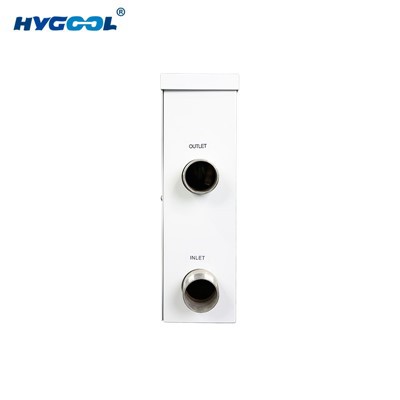
Step 2: cut the pipes to fit the heater. The heater has two ports—“in” (water coming from your pump/filter) and “out” (water going back to the pool). Mark the pipes with a marker where you need to cut, then use a PVC cutter (way better than a hacksaw, cleaner cut = better seal). If you mess up and cut too much, just add a coupling—no biggie, don’t panic.
Step 3: glue the pipes. Wait, here’s the rule for PVC: primer first, then cement. Apply primer to both the pipe end and the inside of the fitting, then cement right after—don’t wait, it dries fast. Push the pieces together and twist a quarter turn to make sure it’s evenly coated, hold for 30 seconds so it sets. Now, wait 24 HOURS before you turn the water on. I know, you’re excited, but rushing this = leaks. I once skipped the wait because I was curious, and spent 2 hours patching a leak under my equipment pad. Not worth it.
Step 4: hook up the gas line (if you’re using a gas heater). Again, if you’re not 100% comfortable with gas lines, call a licensed tech. But if you are, shut off the gas main first, then run a flexible gas line from the main shutoff to the heater’s gas port. Use Teflon tape on all threads, tighten with a wrench (don’t overdo it—stripped fittings are a nightmare), then turn the gas back on and use a soapy water mix to check for leaks. If bubbles form, you’ve got a leak—tighten a little more, or redo the Teflon tape.
Step 5: test for leaks. Okay, the big moment. Turn the main water valve back on, then slowly turn on the pool pump. Let it run for 10 minutes, check every pipe joint, the heater ports, and the gas line (if applicable) for leaks. No bubbles, no wet spots? Great. Now set the heater’s thermostat to 10°F higher than the current pool temp, and wait 15 minutes. It should kick on. If it doesn’t? Check the power, make sure the flow valve on the heater is open, and double-check the pipe connections for clogs (sometimes PVC shavings get stuck).
Wait, hold on—what about things I almost forgot? Oh right! Pressure test. Most heater manuals say to do a pressure test before turning it on, to make sure there’s no blockages. You can buy a cheap pressure gauge at your pool accessories supplier for like $10, hook it up to the line, and pump up to 10 PSI. If it drops over 30 minutes, you’ve got a leak somewhere—go back and check all joints. Don’t skip this, I’ve seen people get their heater running, only to have a leak that ruins their backyard a week later.
Also, for heat pumps? The only difference is they need a dedicated electrical circuit. Don’t plug them into an outdoor extension cord—they draw too much power, and that’s a fire hazard. Hire an electrician if you’re not comfortable with wiring. Solar? Super easy, just lay the panels on a flat, sunny part of your yard, run the lines back to the heater, and that’s it—just make sure the panels are tilted to face south for maximum sun.
Now, the part everyone glosses over: maintenance that’ll make your heater last 10+ years. I work with pool accessories suppliers, so I know this stuff firsthand. Every month, check the filter—clogged filters make the heater work twice as hard, so clean it or replace it as needed. Every 3 months, wipe down the heater’s exterior (for gas, make sure the vents aren’t blocked by leaves or trash—dead giveaway if your heater’s not heating). Once a year, flush the heater’s internal coils with a descaling solution—pool water has minerals, and those build up and make the heater inefficient. And never, never, never run the heater with a broken flow switch—that’s how you blow the whole unit, which costs way more than a few replacement parts.
Wait, let’s get real for a second. What if you mess up? Don’t stress. I’ve installed 12 of these heaters for friends and family, and half of them had a small leak or a flow issue the first time. The key is to take it slow, don’t cut corners on parts, and if you hit a wall—like that gas line thing, or wiring—ask for help. Your pool accessories supplier isn’t just there to sell you a heater, they can point you to a local tech if you need it, or walk you through a tricky step over the phone.
Oh, and one last tip: don’t wait for the last minute to buy parts. If you’re installing this on a Friday before a holiday weekend, all the local pool stores close early, and you’ll be stuck with a half-installed heater until Monday. Plan ahead, buy all your gear a few days early, and test everything before you commit.
At the end of the day, installing a pool heater is totally doable if you take your time and follow the steps. The last thing you want is to drop $2k on a heater and have it sit in your yard for a month because you messed up a pipe. If you’re still on the fence about what kind to get, or need replacement parts later, hit us up with any questions—we’re here to make your pool time better, no sales pitches, just straight answers.
Hot Spring Machine If you’re ready to grab a heater and all the accessories you need to get it running, reach out to chat about sizes, types, and whatever else you need. We’ve got everything from gas lines to PVC cement to pressure gauges, all sourced for pool owners like you. Don’t let cool days keep you out of the pool—let’s get that heater up and running this week.
References
- National Pool & Spa Association. (2022). Residential Pool Heater Installation Guidelines.
- International Plumbing Code. (2021). Requirements for Pool Equipment Installation.
- U.S. Consumer Product Safety Commission. (2020). Pool Heater Safety and Installation Best Practices.
Guangzhou Qiaoyi Water Treatment Technology Co., Ltd.
Address: Floor 6th, Building 2, No. 3, Ketai 1st Road, Baiyun District, Guangzhou 510445, Guangdong Province, China
E-mail: Hygool@hygool.com
WebSite: https://www.hygool.com/
