When I first started working as a grass shredder supplier, I thought performance was all about the engine, the blades, and how well the machine could chew through thick clippings. After a decade on the job, talking to hundreds of landscapers, homeowners, and small farm owners, I’ve learned that brand is just as critical to how a shredder works day in and day out. A lot of my customers come to me thinking all shredders are the same—just boxes with blades and a motor that break down if you push them too hard. But over time, I’ve seen the difference a trusted brand makes, not just in how a shredder performs on the first use, but how it holds up through every season of mowing and mulching. Grass Shredder
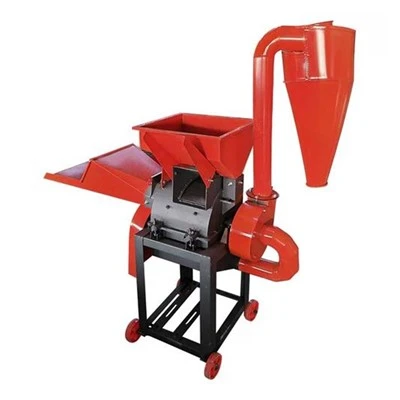
Let’s start with the basics: what “performance” even means for a grass shredder. It’s not just about how fast it shreds clippings. For a landscaper who has 5 acres of lawn to cover, it’s about finishing the job before the rain hits. For a homeowner with a small garden, it’s about not leaving big, lumpy piles that take twice as long to bag up. For a farmer using shredders to turn crop residue into soil-friendly mulch, it’s about consistent particle size that doesn’t blow away in the first wind. Brand shapes every part of that experience, from the materials used to build the machine to the engineering that goes into how it handles different types of vegetation.
Take build quality, for example. Cheaper, no-name shredders might use thin metal for the hopper or the blade housing. Run them through a season of thick, damp clippings, and that thin metal bends. The blades stop aligning right, so instead of cutting clippings into fine pieces, they just tear them into uneven chunks. I’ve had customers bring in these machines, frustrated, saying their shredder worked great for the first month, then suddenly it was leaving big clumps all over their lawn. When we opened up the housing, the metal sides were bowed from the weight of clippings and the vibration of the engine. A reputable brand, on the other hand, uses thicker, powder-coated steel for those parts. It’s heavier, sure, but it stands up to the constant pressure of daily use. One customer of mine, a landscape foreman who’s been buying shredders from us for seven years, told me his latest model still runs like new after five seasons, while his old no-name units would need blade replacements every three months. That’s not luck—that’s brand prioritizing durability over cutting costs on materials.
Blade design is another area where brand makes a huge difference. A lot of entry-level shredders use one or two basic, flat blades. They’re cheap to make, but they don’t handle different vegetation well. Wet, thick grass clogs the gaps, and small twigs or leaves can bend the blade. Top brands invest in R&D for blade geometry—curved edges, serrated teeth, or multi-blade systems that work together to cut more efficiently. I remember testing a new brand a few years ago, and when I ran it through a mix of grass and oak leaves, it left clumps that were too big to use as mulch. Then I tried a shredder from a brand we’ve carried for years, and even with the same engine size, it turned that same mix into fine, consistent mulch in one pass. The blades were shaped to shear rather than tear, so they cut every piece evenly. For anyone who uses shredded grass for compost, that even particle size is key to how fast the material breaks down. No-name shredders might get the job done, but they can’t match the precision of a brand that’s spent years refining its blade designs.
Then there’s engine reliability. The engine is the heart of a grass shredder, and brands that source their engines from established manufacturers (like Briggs & Stratton, Kohler, or Honda) perform far better than those that use generic, off-brand engines. Generic engines might have the same horsepower rating on paper, but they lack the quality controls that come with a trusted name. They overheat faster under heavy load, burn through more fuel, and break down more easily. I’ve had a customer who bought a cheap shredder for his 1-acre yard; he called me in the middle of a mowing job, his engine had seized up after running for 45 minutes straight. He ended up replacing the engine a year later, costing him almost as much as he paid for the machine. A brand-name shredder with a quality engine, though, can handle that same 45 minutes of heavy mowing without a hiccup. I’ve run our machines for 8 hours straight during peak mowing season, and they never show signs of overheating. That reliability is what turns a good shredder into a workhorse, which is what most of our customers are looking for.
Warranty and support are parts of the brand that people don’t think about until something goes wrong, but they directly affect performance too. If your shredder breaks down mid-project, being able to get a replacement part in 24 hours instead of a week makes a huge difference. A no-name brand might not have a local service network, so you’re stuck shipping the machine back to the factory, waiting weeks for a repair. One of my regular customers, a small farm owner, had a blade break on his shredder last summer. He called our service team before noon, and we had a new blade delivered to his farm by the end of the day. He was back to mulching crop residue the next morning. If he’d bought a no-name shredder, he would have had to wait at least three days, and his mulching schedule would have fallen behind. Brands that invest in regional service centers and quick parts delivery don’t just fix problems—they keep your shredder performing when you need it most.
There’s also user experience, which ties back to how a brand designs its machines. Things like easy access to the blade chamber for cleaning, ergonomic handles for moving the shredder around tight yards, and safety features that don’t get in the way of work. A poorly designed shredder from a cheap brand might have a hopper that’s too small, so you’re constantly stopping to refill it. Or the controls are hard to reach, so you’re leaning over a hot engine to turn it off. A good brand designs the machine around the user, so you can work faster and more safely without fighting with the equipment. Last year, a homeowner came to me with two different shredders: a cheap one he’d used for two years, and a brand-name one we’d sold him six months earlier. He told me he could finish shredding his ½ acre of grass in half the time with the brand-name machine, even though it was slightly heavier. The hopper was bigger, the controls were easier to use, and the blade design meant he didn’t have to run over the same clippings three times. That kind of efficiency is a performance win that comes straight from a brand that pays attention to how people actually use their machines.
Now, I don’t want to paint all no-name shredders as useless. For someone who only needs to shred a small amount of grass once a month, a cheap model might work for a season or two. But for anyone who relies on their shredder regularly—whether for a job, a large yard, or a farm—brand is non-negotiable. The difference between a $200 no-name shredder and a $400 brand-name one isn’t just the label on the side. It’s the metal that holds up, the blades that cut clean, the engine that keeps running, and the support that gets you back to work fast.
Over the years, I’ve seen too many customers make the mistake of going for the lowest price, only to end up spending more money on repairs, replacements, and lost time. A brand-name shredder might cost more upfront, but it delivers consistent performance every use, and lasts for years. That’s the value of a brand: it’s a promise that the machine will do what it’s supposed to do, not just when it’s new, but for every season to come.
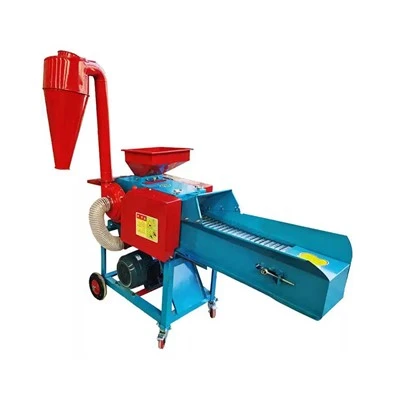
If you’re in the market for a grass shredder and want to talk through which model fits your needs, feel free to reach out to discuss your requirements. We can walk through different options, explain the performance differences, and help you pick a shredder that works as hard as you do.
Forage Pulper References
- American Society of Agricultural and Biological Engineers. (2019). Performance Testing Standards for Turf and Garden Equipment.
- Lawn & Garden Equipment Manufacturers Association. (2021). Durability and Longevity Trends in Outdoor Power Equipment.
- Journal of Environmental Horticulture. (2020). Effects of Mulch Particle Size on Soil Health and Crop Yield.
- International Organization for Standardization. (2018). Safety Requirements for Lawn and Garden Shredders and Chippers.
Zhengzhou Xinyihaotong Machinery Manufacturing Co., Ltd.
As one of the most professional grass shredder manufacturers in China, we also support custom service. We warmly welcome you to buy high quality grass shredder for sale here from our factory. For price consultation, contact us.
Address: Rooms 2301–2312, Jiayi Building, Xinxiang City, Henan Province, China
E-mail: zhaoyixuan5566@gmail.com
WebSite: https://www.xyhtmachinery.com/
