If you’ve ever worked with industrial insulation, chances are you’ve heard of aluminum silicate insulation. It’s a go-to for high-heat environments—think boilers, furnaces, kilns, even some industrial ovens. But as someone who’s been in the aluminum silicate insulation supplier game for over a decade, I get it: when a client first reaches out, one of the most common questions isn’t just “does this stuff work?” It’s “are there any additives in it?” Aluminum Silicate Insulation
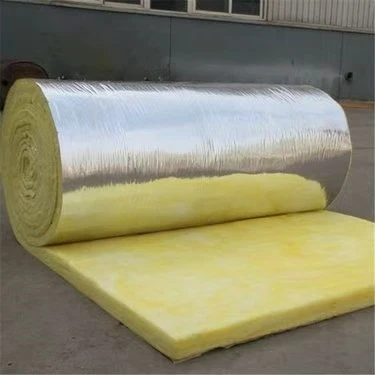
Let’s cut the jargon for a sec—most people just want to know if what they’re putting around their $100k furnace is safe, durable, and actually does what it’s supposed to. I’ve had plant managers ask me this on job sites, small business owners shoot me emails at 8 PM, and even engineers cross-checking specs for a new build. So today, let’s break this down straight, no fluff, no corporate buzzwords, just what you need to know as someone who’s actually going to use this stuff.
First, let’s start with the basics: aluminum silicate insulation itself isn’t just pure aluminum silicate. Wait, hold up—let’s clarify. The base material is usually a combination of aluminum oxide and silicon dioxide, which are minerals found in clay, right? But raw aluminum silicate alone is crumbly, doesn’t hold its shape, and breaks down fast when exposed to extreme heat or thermal shock. That’s where additives come in. But not all additives are created equal, and not every aluminum silicate product has the same mix. That’s why as a supplier, I always tell clients to look at the grade they’re buying—there’s a huge difference between low-temperature insulation (like for smaller space heaters) and high-temperature stuff (for furnaces that hit 2,300°F).
Let’s dive into the most common additives you’ll find, because transparency matters here. The big ones are binders, fiber reinforcements, and sometimes small amounts of modifiers to boost heat resistance. Binders, for example, are super important because they’re what hold the aluminum silicate fibers together. Think of it like glue for insulation—without it, the material would just fall apart the second you try to install it. But here’s the thing: not all binders are bad. For high-temperature grades, we use inorganic binders (like colloidal silica or alumina sols) that don’t burn off at 1,800°F or higher. They’re stable, so they won’t leave behind weird ash or fumes when your equipment’s running. For lower-temperature grades (used for things like hot water pipes or mild-heat ducts), you might see organic binders, like cellulose or acrylic resins. But those only work up to around 1,200°F—any higher, and they vaporize, which is fine for their intended use, but you don’t want those in a furnace, you know?
Then there’s fiber reinforcement. Some aluminum silicate insulation is made with staple fibers (short fibers that add structure) or even a small amount of ceramic fibers to boost tensile strength. Wait, but hold on—this isn’t the same as asbestos, right? That’s a question I get all the time. Asbestos is a completely different mineral, with longer, coarser fibers that are toxic when inhaled. The fibers in modern aluminum silicate insulation are much thinner (microscopic, but designed to not become airborne in dangerous amounts when installed properly) and regulated under OSHA and EPA standards. As a supplier, I can tell you that every product we stock meets the latest safety regulations, so you don’t have to worry about that mix-up.
Now, let’s talk about what’s not in there. A lot of people ask if we add harmful chemicals—like lead, formaldehyde, or volatile organic compounds (VOCs). For most of our industrial-grade aluminum silicate insulation, the answer is no. We focus on low-VOC or zero-VOC products for clients that care about indoor air quality, but even our high-heat grades don’t have heavy metals. The only exception is if a specific client asks for a custom blend, and even then, we stick to additives that are compliant with industry standards. That’s why it’s so important to ask your supplier for a material safety data sheet (MSDS) or product data sheet (PDS)—those docs will list every single ingredient, no hidden stuff.
Wait, but let’s get real for a second: no insulation is 100% pure aluminum silicate. Let’s be honest about that. If it was, it’d be impossible to handle, install, and keep its shape. The additives are there to make the product functional, not to cut corners. But as a supplier, I’ve seen too many competitors cut costs by using cheap, low-grade additives that break down fast, off-gas, or don’t hold up to heat. That’s why our team tests every batch we get—we check for binder stability, fiber strength, and heat resistance before it even hits the warehouse. If a product can’t handle its rated temperature without the additives failing, we don’t carry it.
Let me share a quick story to put this in perspective. A few years back, a small bakery reached out to me because their old insulation was falling apart inside their oven. They had bought the cheapest aluminum silicate insulation from a big box supplier, and turns out, they’d used organic binders that burned off after a few months of high heat. The insulation turned to dust, which got into their bread, and they had to shut down for a week to clean it up. That’s the kind of problem you avoid when you ask the right questions about additives. So when you’re looking at aluminum silicate insulation, don’t just ask “does it work?” Ask “what additives are in it, and are they rated for the temperature I’m using it at?” It’s a small question that saves you a lot of headaches down the line.
Another point: some aluminum silicate insulation is formulated with opacifiers, too. Opacifiers are additives that reflect heat, which helps boost the insulation’s thermal performance. Common opacifiers are things like zirconium oxide or titanium dioxide—they’re non-toxic, and they make the insulation more efficient at keeping heat in or out. For example, a furnace insulation with zirconium opacifier can be 20-30% more effective than one without, which means lower energy bills for you. That’s a win, right? The additive is there to make the product work better, not just to fill space.
Now, let’s address a common myth I hear: “additives always make insulation worse.” No, that’s not true. Raw aluminum silicate is a great material, but it’s not usable on its own. The right additives turn it into a product that you can install, that lasts for years, and that does the job it’s supposed to. The key is choosing the right additives for your application. If you’re working in a 2,000°F furnace, you don’t want organic binders. If you’re insulating a 1,000°F duct, you don’t need expensive zirconium opacifiers. Matching the additives to your use case is where a good supplier comes in.
As someone who’s been doing this long enough, I’ll also tell you to watch out for “additive creep.” That’s when a supplier starts cutting corners on additives to lower the price. They might use less binder, or a lower-grade binder, so the insulation is cheaper upfront, but it falls apart in 6 months. I’ve had clients come to me after paying half the price for insulation that lasted a third as long. At the end of the day, aluminum silicate insulation is an investment. The right additives mean it’ll last longer, perform better, and save you money on energy over time.
So, to wrap this up: yes, aluminum silicate insulation does have additives, but they’re not the scary, hidden chemicals you might think. They’re binders to hold the fibers together, reinforcements for strength, and sometimes opacifiers to boost thermal performance. The best products use additives that are rated for your specific temperature range, compliant with safety standards, and designed to last. The key is knowing what to ask, and working with a supplier that’s transparent about their products.
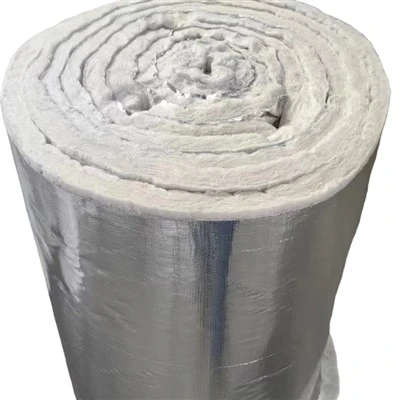
If you’re in the market for aluminum silicate insulation, whether it’s for a small industrial project, a large furnace, or something in between, feel free to reach out. We can walk you through the different grades, explain exactly what additives are in each, and help you pick the right one for your needs. No pressure, no confusing jargon—just straight answers from a team that’s been in this since the day they started. Don’t waste money on insulation that doesn’t hold up. Let’s talk through your project and find the right fit.
Rock Wool Insulation References
- Occupational Safety and Health Administration (OSHA). (2022). Insulation Materials: Chemical Hazards and Safety Practices.
- American Society for Testing and Materials (ASTM). (2021). Standard Specification for Aluminum Silicate Insulating Firebrick and Shapes.
- National Fire Protection Association (NFPA). (2020). Standard for Insulation Systems for High-Temperature Industrial Equipment.
- International Organization for Standardization (ISO). (2019). ISO 124: Thermal Insulating Materials for Industrial Applications – Specifications and Test Methods.
Langfang Yafeng Energy-Saving Technology Co., Ltd.
As one of the most professional aluminum silicate insulation manufacturers and suppliers in China, we’re featured by quality products and good price. Please rest assured to buy bulk premium aluminum silicate insulation for sale here from our factory. Welcome to view our website for more information.
Address: Langfang Xinyafeng, Liugezhuang Town, Dacheng County, Langfang City, Hebei Province
E-mail: yafengbaowen@gmail.com
WebSite: https://www.xyfinsulation.com/
