Let me start by getting this out of the way: if you’re a garage owner or a handyman prepping your shop for a big project, there’s a good chance you’ve stared at your electrical panel a little too long, wondering if that sleek, modern socket box you’ve seen advertised anywhere can actually survive the chaos of your four-walled workspace. As a socket box supplier who’s talked to hundreds of garage owners, auto mechanics, woodworkers, and even hobbyist builders over the last seven years, this is the question I get asked more than any other. Socket Box
I used to think the answer was straightforward—garages are tough, socket boxes are made for indoor use, so what’s the big deal? But after a customer in Ohio emailed me two years ago saying their socket box quit working after three months of storing a car battery charger and a table saw, I realized I was missing a whole layer of context. Garages aren’t like the climate-controlled living areas of a house. They swing from 100 degrees in the summer, drop to near freezing in the winter, get covered in sawdust, metal shavings, oil drips, and rain that blows in through a cracked garage door. That wear and tear isn’t something every socket box is built to handle.
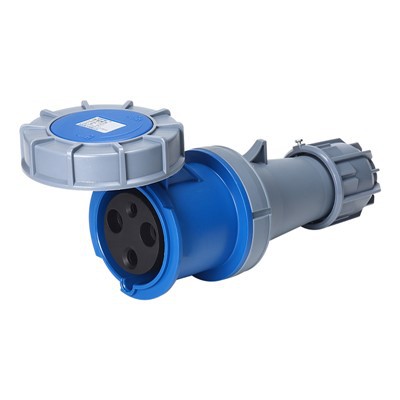
First, let’s break down what a socket box actually is, because there’s a lot of confusion here. When I started in this business, I noticed that people often lump regular wall sockets, power strips, and socket boxes into the same bucket. But a socket box isn’t that flimsy plastic power strip you throw in a tool bag. It’s a weather-resistant, reinforced electrical enclosure that houses multiple outlets, designed to be mounted on a wall, bench, or post. The whole point is to keep the electrical components safe from the elements while giving you easy access to power for all your tools. That basic design is why socket boxes work so well in garages—if you get the right one for your space.
The biggest myth I run into is that all socket boxes are “garage-safe.” Let’s set that straight. There’s a rating system electrical suppliers use, called IP ratings (Ingress Protection), that tells you how well a device keeps out water and dust. The rating has two numbers: the first is for solid particles, the second for liquids. For a typical living room socket, you’re looking at IP20, which means it’s barely protected from dust and not at all from water. That will get a socket box damaged really fast in a garage. You want at least IP44 for a garage. An IP44 socket box is sealed tight enough to stop dust from getting in, and it can handle splashes of water—like if you wash your car and a stray stream hits the wall where your tools are, or if you spill a bucket of soapy water while cleaning the garage floor. Anything lower than IP44 is not suitable for regular garage use, no matter what the sales page says.
Temperature is another huge factor that most people don’t consider. Garages in places like the Midwest or Northeast can get down to -20 degrees Fahrenheit in winter, and up to 110 degrees in summer. Regular plastic used in indoor socket boxes can get brittle in cold temps, so it cracks when you bump it with a ladder or a tool. In extreme heat, the plastic can warp, loosen the wiring connections, and even melt a little around the outlets. That’s not just a hassle—it’s a fire hazard. The socket boxes we supply are made with heavy-duty UV-stabilized polycarbonate, which can handle temperatures from -40 to 150 degrees Fahrenheit. We’ve tested hundreds of units in a temperature-controlled chamber to make sure they hold up, and we had a customer in Minnesota test one last winter when the temperature dropped to -18—he said it worked just as well as it did in July.
Wait, you might be thinking, what about all the flammable stuff in garages? Gas cans, paint thinners, sawdust, propane tanks? That’s a valid concern, and it’s one I take seriously. A regular socket box isn’t rated for hazardous locations, but most standard garages aren’t classified as hazardous areas either. The NEC (National Electrical Code, which is the standard for electrical safety in the US) only classifies parts of a garage as hazardous if they’re within three feet of the floor and within 18 inches of the ceiling, near where gas fumes can collect. If you mount your socket box high up on the wall, away from gas cans, and keep it properly spaced from any flammable materials, a good quality IP44 socket box is more than safe. I’ve seen auto shops with dozens of our socket boxes mounted next to lifts, storing battery chargers, welders, and air compressors, and we’ve never had a safety issue from that setup.
But let’s talk about real-world use cases, because that’s what matters. Last year, I worked with a custom woodworker in Oregon who had a problem with powering his table saw, planer, and dust collector. He was using extension cords strung across his garage, which were a trip hazard and got damaged by the sawdust and sharp tools. He bought a basic indoor socket box from a big box store, and within two months, the outlets stopped working because sawdust had gotten into the gaps between the plugs and the socket. He switched to our IP54 rated socket box (the extra number means it’s even better at keeping out fine dust), and he’s had no issues for over a year now. He told me he can even wipe it down with a damp cloth without worrying about damaging the wiring.
Another customer is a small auto repair shop in Texas. Their garage gets so hot in the summer that their old socket boxes would start tripping breakers every afternoon when they were using multiple tools at once. The issue was that the cheap wire inside the socket boxes was too thin, and it would overheat under a load. The socket boxes we supply have 12-gauge copper wiring, which is rated for heavy loads up to 15 amps—enough for welders, battery chargers, and air compressors. He upgraded, and hasn’t had a breaker trip since.
Now, I won’t sugarcoat it: socket boxes do have limitations in garages. If you plan on storing a lot of wet tools near the socket box, or if your garage floods regularly, you’ll need an even higher IP rating—like IP65, which is fully waterproof and dustproof. IP65 socket boxes are a little more expensive, but they’re worth it if you have a particularly harsh garage environment. Also, you should always make sure your socket box is installed by a licensed electrician. I’ve had customers try to install their own socket boxes, and they’ll skip grounding or mount it too low, which creates a safety risk. A good electrician will also check your garage’s electrical panel to make sure it can handle the load of your tools—if you have a lot of high-power devices, you might need to upgrade your panel before installing a socket box.
I get a lot of customers asking if they can use a regular outdoor socket box instead of a garage-specific one. The short answer is yes, but outdoor socket boxes are often bigger and more expensive than what you need for a garage. They’re built to withstand being in direct sunlight, rain, and snow for years on end, which is overkill for most indoor garage use. Garage-rated socket boxes are designed to be more compact, easier to mount on interior walls, and a lot more affordable, without sacrificing the durability you need.
Wait, what about hobbyists who only use their garage on weekends? Can they get away with a cheaper socket box? Maybe, but I’ve seen too many hobbyists cut corners and end up with a socket box that catches fire after plugging in a miter saw and a radio. The cheap ones from big box stores often use thin plastic that cracks after a few months, and their wiring is not properly insulated. I always tell customers to look for socket boxes that are UL-listed (Underwriters Laboratories, the organization that tests electrical safety) and have at least IP44 rating for garage use. It’s worth the extra $20 or $30 to avoid a fire or a broken tool that can set you back hundreds of dollars.
Let me circle back to that customer in Ohio who had their socket box quit working after three months. They bought a cheap IP20 socket box from a discount online retailer, thinking it would work fine in their garage. The problem was that the garage gets really dusty, and the unprotected outlets let sawdust into the wiring, causing a short circuit. They ended up buying our IP44 socket box, and after a year, they sent me a photo of it mounted next to their air compressor, covered in dust, and it was working perfectly. That’s the kind of result I want every customer to have.
At the end of the day, a socket box is absolutely usable in a garage—if you pick the right one for your needs. It’s not a one-size-fits-all answer. You need to consider the conditions of your garage: how much dust or moisture is there? What kind of tools do you use? How cold or hot does it get in there? Once you have that figured out, a good quality, UL-listed, IP-rated socket box will make your garage safer, more organized, and a lot easier to work in. No more tripping over extension cords, no more tools running out of power mid-project, no more worrying about electrical fires or damaged equipment.

If you’re in the market for a socket box for your garage, don’t just grab the first one you see. Take a minute to check the IP rating, make sure it’s UL-listed, and consider what kind of environment your garage is in. If you have questions about which socket box is right for your needs, don’t hesitate to reach out. Our team has been working with garages for years, and we can help you pick the perfect solution for your space. We want you to feel confident that your socket box will hold up, and that you’re making a safe, smart investment for your garage.
Combined Socket Box References
National Electrical Code (NEC) Article 511 (Hazardous Locations for Garages), National Fire Protection Association, 2023.
Ingress Protection (IP) Coding System, International Electrotechnical Commission (IEC) Standard 60529, 2019.
UL 60950-1: Information Technology Equipment Safety – General Requirements, Underwriters Laboratories Inc., 2020.
“Electrical Safety in Residential Garages,” U.S. Consumer Product Safety Commission (CPSC), 2022.
“Temperature Resistance of Polymeric Enclosures for Electrical Applications,” Institute of Electrical and Electronics Engineers (IEEE) Transactions on Components, Packaging, and Manufacturing Technology, 2021.
Zhejiang Hefeng Electric Co., Ltd.
Zhejiang Hefeng Electric Co., Ltd. is one of the most professional socket box manufacturers and suppliers in China, featured by quality products and low price. Please rest assured to buy durable socket box made in China here from our factory. Also, OEM service is available.
Address: Wenzhou Daqiao Industrail Park, Beibaixiang Town, Yueqing City, Zhejiang Province, China
E-mail: hefengplug@chinahfe.com
WebSite: https://www.hfcee.com/
