If you’ve ever stood in a substation control room at 2 a.m., watching screens flicker and alarms blip, you know low voltage switchgear is the unsung backbone of the power grid. It’s the boxy metal assembly sitting between your building’s main power feed and every light, outlet, and industrial machine that keeps your operations running. As a low voltage switchgear supplier, I spend my days talking to engineers, facility managers, and plant supervisors who don’t just want gear that turns power on and off—they want gear that talks to them, tells them when something’s going wrong, and saves them from costly downtime. That’s where data logging comes in. It’s not a fancy add-on anymore; it’s the difference between reacting to a power outage and preventing one before it starts. Low Voltage Switchgear
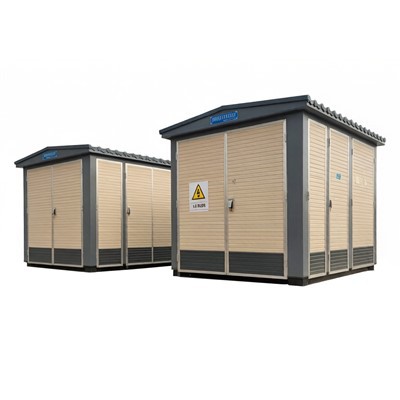
Most folks who ask about data logging in switchgear start with a simple question: what is it, exactly? At its core, data logging is the process of capturing, storing, and organizing electrical and operational data from your switchgear over time. Think of it like a fitbit for your power system. Instead of just telling you that your heart is racing (or that your circuit breaker tripped), it keeps a running log of key metrics, so you can spot patterns over weeks, months, even years. For low voltage systems, that data isn’t just numbers—it’s actionable insights.
Let’s break down the key data logging functions that matter most for low voltage switchgear, because not all logs are created equal. As someone who’s spec’d switchgear for 15 years, I’ve learned that the best logging tools are built for real-world use, not just lab tests.
First up: real-time electrical parameter logging. This is the bread and butter. Your switchgear is handling alternating current (AC) power at 120V to 1000V, and logging the basics—voltage, current, and power factor—isn’t enough. We’re talking about logging phase-specific values, because an unbalanced phase is often the first sign of a failing motor or a faulty circuit. For example, if a 480V three-phase system has a 10% voltage gap between Phase A and Phase C, that’s not just a nuisance—it’s going to shorten the life of your expensive HVAC compressors or your CNC machines. Good data logging will record that value every 10 seconds (you can adjust the interval to match your needs) and timestamp it, so you can trace when the imbalance started.
We also log real and apparent power, right down to the kWh consumed by each feeder. That’s a game-changer for energy management. A facility I worked with in Detroit a few years ago was shocked when their monthly power bill jumped 18% without any obvious reason. Their switchgear’s data logs revealed that a broken idle air compressor was drawing 12 kWh an hour—power it was wasting because its pressure switch was faulty. We were able to use the log data to prove the waste to their utility and get a demand adjustment credit, plus replace the compressor for less than the credit. That’s the kind of result that makes data logging worth the investment.
Second, event and fault logging. This is where the rubber meets the road when something goes wrong. When a circuit breaker trips, a fuse blows, or an overload is detected, your switchgear needs to log not just that the event happened, but all the context around it. Think of it as the black box of your power system. It will log the exact time of the event (down to the millisecond, which is critical for troubleshooting), the current and voltage levels at the moment of the trip, which feeder was affected, and even the sequence of operations that led up to it. For example, if a switchgear trips during a storm, the event log will show if it was from a voltage spike from a lightning strike, or from an overloaded circuit from a temporary spike in HVAC use.
What’s more, good fault logging records the duration of the fault. A momentary, harmless surge from a lightning strike might trip a breaker, but a sustained fault of 2 seconds or more means there’s a permanent issue. We had a manufacturing client last year who had repeated nuisance trips on their production line. The event logs showed each trip was accompanied by a current spike of 1200 amps that lasted 0.8 seconds—just enough to trigger the breaker, but not enough to cause real damage. We adjusted the breaker’s trip curve based on that data, and eliminated the downtime from false trips, which saved them over $50,000 a year in lost production. Event logging isn’t just for troubleshooting; it’s for optimizing your switchgear’s protection settings, which makes your entire system more reliable.
Third, temperature and condition monitoring logging. Low voltage switchgear sits in all kinds of environments: dusty factory floors, humid basement utility rooms, cold outdoor enclosures. The internal components—busbars, circuit breakers, connectors—can degrade over time, especially if they get too hot. Loose connectors, corroded busbars, or overloaded breakers will generate excess heat, and that’s a leading cause of switchgear fires and unplanned outages. Temperature logging keeps track of these hot spots before they become a crisis.
Modern switchgear data logging systems use either built-in temperature sensors or non-contact thermal sensors to track busbar, breaker, and contactor temperatures, logging them at regular intervals. Some systems even set threshold alerts: if a contactor’s temperature rises 10 degrees above normal, it will send an alert to your phone or control room, so you can send a technician to tighten a loose connection before it melts down. For facilities with sensitive equipment—pharmaceutical labs, data centers, food processing plants—this is non-negotiable. I’ve seen a switchgear fire in a warehouse that started from a 30-degree hot spot on a busbar that went undetected for three weeks. A basic temperature log would have caught that issue early, and saved the owner from millions in inventory losses and repair costs. Some advanced logging systems even add vibration logging for moving parts like circuit breakers, catching wear on moving components before they fail.
Fourth, energy and demand management logging. We touched on this a bit earlier, but it’s worth expanding. Data logging doesn’t just track how much power you use—it helps you optimize when you use it, which is huge for reducing utility costs. Most utilities charge based on two things: total energy use (kWh) and peak demand (kW), which is the highest amount of power you use at any 15 or 30 minute interval in a month. If your facility runs a 500 kW manufacturing line during the same 15 minutes that your office HVAC kicks on, you’ll hit a high peak demand and get a surcharge on your bill. Good logging systems will track your real-time demand, and even alert you if you’re approaching your peak limit, so you can adjust operations—like turning off non-critical equipment—to lower your demand and save money.
We worked with a food processing plant in Iowa that cut their monthly demand charges by 22% using their switchgear’s energy logs. They noticed their peak demand usually hit between 1 p.m. and 2 p.m., when they ran their mixers and refrigeration compressors at full load. Using the log data, they shifted some of their mixer operations to the early morning, when their overall facility demand was lower, and used the alert feature to pause non-essential lighting during peak hours. That small shift in operations, guided by data from the switchgear, added up to over $200,000 a year in savings. It’s not magic—it’s what data logging is designed to do: turn raw power data into cost savings.
Fifth, predictive maintenance logging. This is the future of switchgear, and it’s already here for modern systems. Predictive maintenance is the practice of using data to plan maintenance before a part fails, instead of doing scheduled maintenance that may be unnecessary or missing issues. Data logging combines electrical, temperature, and performance data to create a baseline for your switchgear. For example, a circuit breaker that normally trips at 800 amps might start tripping at 750 amps over time—a sign of internal wear, even before it shows obvious signs of failure. Or a busbar that has a normal temperature of 90 degrees might start running at 105 degrees, a slow rise that signals corrosion or a loose connection.
Our switchgear systems come with built-in predictive analytics tools that use logged data to spot these subtle changes. We can set up alerts for deviations from your baseline, so you don’t have to run regular manual inspections. A logistics client with a 20,000 square foot warehouse told us that before using predictive logging, they did quarterly inspections of their 12 switchgear units, which took 2 days each and cost $10,000 a year in labor. After implementing our logging system, their predictive alerts caught a failing breaker on a dock door feeder, avoided an outage that would have disrupted 100 daily shipments, and they cut inspection costs by 75% because they only send a technician when the log data shows a problem.
Now, I want to be clear: data logging doesn’t just apply to new switchgear. Many of our clients have existing low voltage switchgear that’s 10, 20, even 30 years old, and we can retrofit data logging modules to those systems without replacing the entire assembly. That’s a big deal, because replacing switchgear can cost hundreds of thousands of dollars, but retrofitting a data logging system is a fraction of that cost. We’ve worked with hundreds of facilities to add logging to their legacy switchgear, extending its life while adding the reliability and insight they need.
But here’s something I tell every potential client: data logging only works if you use it. I’ve seen systems installed with logging turned on, and then no one ever checks the data. That’s like buying a fitbit and never looking at your step count—you’re wasting the investment. The key is to integrate the log data with your facility’s management software, or set up a routine to review logs monthly to spot trends. Most modern logging systems also let you generate custom reports, so you can share data with your utility, your maintenance team, or your leadership to make better decisions.
At the end of the day, low voltage switchgear is the quiet workhorse that keeps your power flowing. Data logging turns that workhorse from a black box into a transparent, reliable system that tells you exactly how it’s performing, what it needs, and when to act. Whether you’re troubleshooting a persistent outage, cutting energy costs, or avoiding a catastrophic failure, data logging is the foundation of a smart, resilient power system.
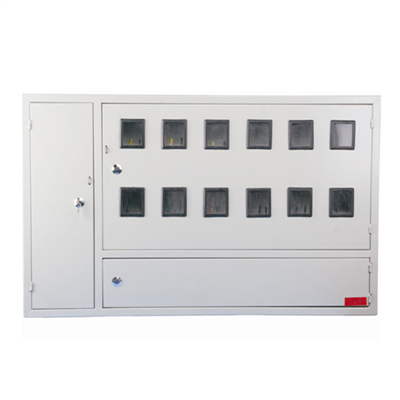
If you’re ready to learn how data logging can improve your low voltage switchgear’s reliability, save you money, and reduce downtime, we’re here to help. We offer custom solutions for new switchgear installations and retrofits for existing systems, tailored to your facility’s specific needs. Reach out to our team to discuss your requirements and get a personalized quote.
Compact Substation REFERENCES
- Low Voltage Switchgear Design and Application Guide, International Electrotechnical Commission (IEC) 60439, 2020
- Smart Grid Data Logging Standards for Low Voltage Power Systems, Institute of Electrical and Electronics Engineers (IEEE) 1547, 2018
- Predictive Maintenance for Electrical Distribution Systems, Electrical Construction Maintenance (EC) Magazine, 2022
- Energy Management in Commercial Low Voltage Switchgear, National Fire Protection Association (NFPA) 70B, 2021
Anhui Xinchen Electrical Equipment Co., Ltd.
We are one of the most reliable low voltage switchgear manufacturers and suppliers in China, specialized in providing high quality customized products. We warmly welcome you to buy bulk low voltage switchgear for sale here from our factory. Contact us for quotation.
Address: No. 8, Waihuan South Road, Economic and Technical Development Zone, Ningguo City, Xuancheng City, Anhui Province
E-mail: xinchen0316@126.com
WebSite: https://www.cn-xinchen.com/
