If you’ve ever worked with Ford floor mats—whether you’re a long-time partner who keeps a spare set for your F-150, a small repair shop stocking parts for local drivers, or a fellow supplier who’s struggled to get yours to a customer in perfect condition—you know this: these mats aren’t just thin bits of rubber or carpet. They’re engineered to fit the exact contours of Ford’s frames, to trap mud, salt, and coffee spills, and to hold up through road trips, school runs, and work commutes. But when they’re not in use—whether you’re storing a full case of new inventory in your warehouse, tucking a spare set away for a customer who just bought a second Ford, or packing a mat for shipping and need to make sure it arrives intact—storing them wrong can turn a $100 custom liner into a warped, smelly mess that’s impossible to sell or use. Ford Floor Mats

I’ve been in the Ford floor mat supply game for 12 years now, so I’ve seen every mistake you can make. I’ve watched a warehouse intern leave a pallets of new all-weather liners leaning against a cold concrete wall over a weekend, only to find them bent permanently at a 90-degree angle when we came back in Monday. I’ve helped a customer return a “used” set because it developed a sour mildew smell after being left folded in a hot trunk for two weeks. I’ve even had a shipment get rejected because the mats were scuffed during storage, ruining the factory finish.
The thing is, Ford mats have specific material properties that set them apart from generic floor liners, and if you ignore those, your storage process is just guessing. Most Ford floor mats are made from either heavy-duty thermoplastic rubber (TPR) for all-weather sets, woven nylon or carpet fiber for OEM plush liners, or a hybrid of both for the combo sets that Ford puts in their new trucks and SUVs. Each of these materials reacts differently to temperature, moisture, pressure, and light—so a storage method that works for a plush carpet liner might ruin an all-weather TPR mat, and vice versa.
Let’s break this down, step by step, based on what I’ve learned from years of supplying to Ford dealerships, independent repair shops, and individual Ford owners across North America.
First, let’s start with the big one: if you’re storing inventory at a warehouse or bulk storage facility, this is non-negotiable. I know, space is tight, and you’re busy trying to keep up with orders, but cutting corners here will cost you way more in returns and damaged goods than it saves in extra space.
For all-weather TPR mats—the most popular set we supply for F-150s, Broncos, and Super Duties—TPR is flexible when warm, but it gets rigid and brittle when cold. It also retains heat and moisture, so if you stack it in a tight, unventilated space, it can develop mildew in as little as three weeks. Here’s how we store bulk TPR Ford mats at our facility:
- Never lean them vertically. Even if they fit tight against a wall, leaning causes permanent creases along the edges where the mat meets the frame. Ford’s liners are molded to fit the exact shape of your truck’s footwell, so a crease along the heel pad or sidewall doesn’t just look bad—it affects how well the mat traps debris. We keep all TPR mats flat, stacked on sturdy wooden pallets lined with a thin sheet of acid-free cardboard (avoid plastic, which traps moisture).
- Stack no more than 12 high. That might seem like a lot, but any more weight on top of a TPR mat can cause it to warp, especially if it’s been sitting in a space that’s even slightly warm. Warping is the worst because it means the mat won’t sit flat in a Ford’s footwell—water will pool under the edges, and you’ll have to discount it or throw it out.
- Control the temperature. Our warehouse is kept between 60°F and 75°F year-round, and we never store TPR mats near loading docks or exterior walls where temperatures can drop below 50°F in winter or climb above 80°F in summer. We also use a small dehumidifier in the storage section during humid months—TPR holds moisture like a sponge, and even a small amount can lead to mildew or that acrid, rubbery smell no one wants.
Now, for plush carpet liners, the ones Ford uses in their Limited and Platinum trims. These are less prone to warping, but they’re way more sensitive to moisture, dirt, and light. The nylon fibers in OEM carpet liners fade when exposed to direct sunlight, and if they get damp during storage, they can develop mold and mildew that’s almost impossible to get out. We store these in sealed, breathable polyethylene bags—never plastic garbage bags, which trap moisture—labeled with the Ford model and year they fit, and stacked in a separate section away from TPR mats. We also keep them in a dark part of the warehouse, because even indirect sunlight through windows can fade the red or black plush trim after a few months.
The biggest mistake we see with carpet liners is storing them folded. People think, “It’s just fabric, I’ll fold it and stuff it in a corner.” But carpet liners are stitched to fit the exact shape of the Ford’s footwell, so folding creates sharp creases that are nearly impossible to brush out. I once had a customer send back a set of Platinum F-150 floor mats because they looked “old and worn” when they arrived—turns out the supplier had folded them to save space, and the creases ran right along the front edge where the accelerator sits. We had to refund and send a new set, which cost us both time and money. So rule number one for carpet liners: never fold them. Stack them flat, same as TPR mats.
Now, if you’re not storing bulk inventory—maybe you’re a Ford owner who just bought a new set of mats and wants to keep the old ones in good shape for when you sell your truck, or you’re a dealership storing a spare set for a customer who’s waiting on their new car. The rules here are a little different, because you’re dealing with smaller sets, and the stakes are higher (you want these to look like new when they go to the customer).
First, clean them before you store them. This is the step almost everyone skips, but it’s the most important. Even a tiny crumb of french fries or a drop of road salt left on a Ford floor mat can cause damage over time. Salt eats away at rubber and carpet fibers, and crumbs attract bugs or mold. For TPR mats, we recommend wiping them down with a mild detergent and warm water, then drying them completely—hang them in a shaded area for 24 hours, don’t put them in a dryer, because high heat can warp TPR. For carpet liners, vacuum them thoroughly, then spot-clean any stains with a gentle carpet cleaner, and let them air dry completely. No moisture means no mildew, that’s non-negotiable.
Second, protect them from dirt and light. If you’re storing them in your garage or shed, don’t just leave them on the floor. If you have to fold them (I know, sometimes space is tight), fold them loosely—never sharp creases—and put them in a cotton storage bag or a breathable plastic bin. Avoid clear bins, because they let light in and fade carpet fibers. And don’t store them near lawn chemicals, paint, or gasoline fumes—TPR mats absorb those odors, and once they do, they’ll smell like chemicals every time you step on them, which ruins the whole point of having good floor mats.
Wait, what about if you’re shipping a Ford floor mat to a customer, and you need to store it temporarily before packing it? We do this all the time when we get a last-minute order, and we’ve perfected the short-term storage method. If you’re storing a mat for less than a week, keep it flat on a shelf, not leaning, away from any heat sources. If it’s a TPR mat, you can cover it with a cotton sheet to keep dust off, no need for a bag. If it’s a carpet liner, keep it in the breathable bag we use for inventory, and keep it in a cool, dark spot. The key here is not to leave it for more than a few days—short-term storage is just keeping it safe until you ship, not a long-term solution.
I’ve also run into questions about whether you can roll Ford floor mats to save space. Let’s be clear: rolling works for some things, but not for Ford mats. TPR mats might roll loosely, but when you unroll them, they’ll have a permanent curve that makes them hard to lay flat in a footwell. Carpet liners will develop creases along the roll that are impossible to get out, same as folding. The only exception is if you’re rolling a single TPR mat for a very short time (like 24 hours) and then laying it flat right away—but even that’s a risk. We never roll our inventory, and we always tell customers not to either.
Another thing I hear a lot: “I don’t have a climate-controlled space, can I still store Ford mats properly?” The short answer is yes, but you have to adjust for the space you do have. If you’re storing mats in a garage that gets cold in winter and hot in summer, avoid storing them near windows or exterior walls. Put them on a shelf off the floor, so they don’t get damp from concrete. For humid garages, use a moisture absorber like silica gel packs (the ones you get in shoe boxes, just make sure they’re food-grade or safe for rubber) in the storage bag with the mats. For dry, cold climates, just keep them out of direct sunlight—cold air doesn’t hurt TPR or carpet, but if it’s super dry, the carpet fibers might get a little brittle, but that’s way better than warping or mildew.
Now, let’s talk about common mistakes that I see all the time, and how to avoid them:
- Storing mats in direct sunlight: Even a month in direct sun will fade carpet liners and make TPR mats get sticky or brittle. We keep all our inventory in a windowless storage area, and we recommend customers do the same if possible.
- Using plastic bags for long-term storage: Plastic traps moisture, and if there’s even a tiny bit of water on the mat when you put it in, it will grow mold. We only use breathable polyethylene bags for inventory, and cotton bags for personal sets.
- Stacking too high: I’ve had a stack of 15 TPR mats collapse in our warehouse a few years ago—luckily, no damage to the mats, but it messed up our whole order schedule. Keep stacks to 12 high max, and use sturdy pallets or shelves.
- Storing dirty mats: Like I said before, even a small bit of dirt or salt can ruin a mat over time. Take 10 minutes to clean them before you put them away, it’s worth it.
At the end of the day, Ford floor mats are an investment. They’re designed to protect your Ford’s interior, which is one of the biggest expenses you’ll have. If you spend a few minutes storing them the right way, whether you’re a supplier stocking inventory or a car owner keeping spares, you’ll get years of use out of them, and you won’t have to deal with the hassle of damaged goods or bad smells.
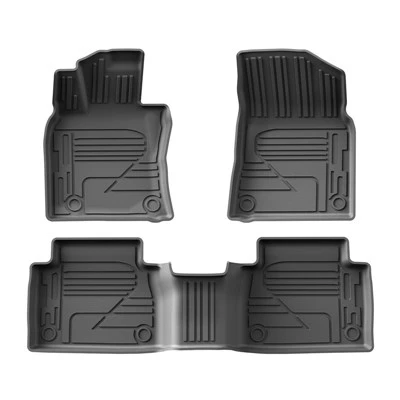
If you’re looking for high-quality Ford floor mats that are designed to last, and you need a reliable supplier you can count on for orders, inventory, and support, we’re here to help. Our team has been supplying OEM-grade Ford floor mats to dealerships and customers across the country for years, and we can customize sets to fit any Ford model, year, or trim. Reach out to us today to discuss your needs, whether you’re a small business looking for bulk orders or an individual owner looking for a spare set for your truck or SUV.
Honda Floor Mats References
- Society of Automotive Engineers (SAE). (2021). Material Properties of Automotive Interior Components: Rubber and Carpet Liners. SAE International.
- Ford Motor Company. (2022). OEM Interior Part Storage and Handling Guidelines. Ford Global Parts Group.
- National Automotive Parts Association (NAPA). (2020). Best Practices for Storing Automotive Floor Mats and Trim. NAPA Auto Parts Technical Bulletin.
- ASTM International. (2019). Standard Practice for Storage of Flexible Rubber Products for Automotive Use. ASTM D4672-19.
Zhejiang Kangyu Automobile Parts Co., Ltd.
Zhejiang Kangyu Automobile Parts Co., Ltd. is one of the most professional ford floor mats manufacturers and suppliers in China, also supports high quality customized service. We warmly welcome you to wholesale CE and ISO approved ford floor mats from our factory. Also, 6 years warranty is available.
Address: No.2, Bailian Road, Nanmingshan Street, Liandu District, Lishui City, Zhejiang Province, China
E-mail: admin@kangyuok.com
WebSite: https://www.kangyucarmat.com/
