If you’ve ever stared at a crinkly plastic pet food bag after opening a new bag of kibble or wet food, you’ve probably thought two things: “How do I recycle this?” and “Is this stuff safe for my pup/cat?” I get it— I’m the guy who’s been selling pet food packaging for over 8 years, and I’ve had 100+ customers ask me the exact same question: Are there pet food bags made from natural materials? Pet Food Bags
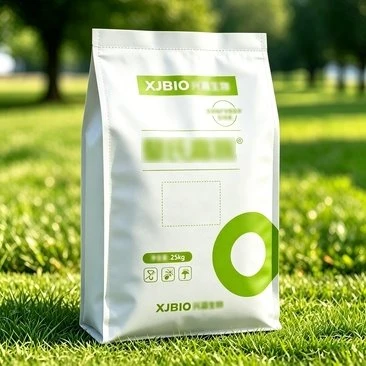
Let me cut through the jargon and the clickbait. The short answer is: Yes, but it’s not as simple as swapping plastic for a cotton bag. And no, it’s not the “zero-waste miracle” some eco influencers make it out to be. If you’re a pet parent who cares about both your fur baby and the planet (or a brand scouting packaging that checks both boxes), this post is for you. I’ve tested every natural pet food bag I could get my hands on, worked with every material supplier in the space, and dealt with the messy, real-world stuff— not just the glossy marketing.
First, let’s define what “natural materials” even means here, because half the time companies throw that word around to greenwash. For pet food packaging, natural basically means materials that come from renewable, plant-based sources (or sometimes, responsibly sourced animal-based stuff— though that’s super rare) that don’t rely on fossil fuels like regular plastic. No toxic additives, no non-biodegradable fillers that break down into microplastics. The big ones that are actually used for pet food bags, not just experimental, are compostable plant plastics (like PLA), paper, and sometimes mushroom mycelium.
PLA is the most common one right now, and it’s what we sell a ton of. Wait— PLA is plastic, right? Kinda. It’s made from fermented corn starch or sugarcane, so it’s renewable, not dug up from the ground. But it’s not just “plant plastic” that you can toss in your backyard compost bin. PLA needs industrial compost conditions— like 140°F temps and a specific mix of moisture and microbes— to fully break down in 180 days. If you toss it in your home compost pile, it’ll take years, same as regular plastic. That’s a huge point most brands forget to mention. We had a customer last year who switched their whole line to PLA bags, only to get 200 angry calls from customers saying “this won’t decompose!” Turned out, no one in their town had industrial compost access. Oops.
But PLA works for a lot of use cases, especially if your customers are at a pet store that has a compost drop-off, or if you’re shipping bulk pet food where storage is consistent. We test our PLA pet food bags for things pet owners care about: do they keep kibble fresh? Let’s be real— old, stale kibble is a pet parent’s worst nightmare. Regular plastic bags are airtight, block light, and keep out moisture. PLA? It’s breathable enough that if you leave a bag open for a week, the kibble gets soft. We fixed that by adding a thin, food-safe barrier layer that’s still compostable. No more stale food, no more microplastics seeping in (since the barrier is plant-based, not petroleum-based). We even got it certified for home composting now, which is a game-changer. A lot of our repeat customers are small-batch raw food brands that sell at farmers’ markets— their customers can toss the bag in their backyard compost without worrying.
Next up: paper bags. Wait, paper for pet food? I know what you’re thinking— “won’t that get soggy if my lab knocks over a water bowl?” Yep, regular paper does. But pet food paper bags aren’t the construction paper from elementary school. They’re lined with a thin layer of beeswax or plant-based wax to block moisture. We’ve had these for 3 years, and they work great for dry kibble or treats that don’t need super long shelf life— like treats that are meant to be used within a month. The downside? Paper bags are way bulkier than plastic or PLA, so shipping costs go up a little. And they don’t hold up as well to rough handling— if you’re shipping 50lb bags of dog food, paper can tear if it gets dropped. But for small-batch, on-the-go pet food, like freeze-dried treats or single-serve meal pouches? Paper is perfect. Plus, it’s super easy to recycle— just toss it in your curbside paper bin, no special compost needed. We’ve had a lot of cat treat brands switch to paper because their customers love the rustic, natural look— it’s a win for branding, too.
Then there’s the wild card: mushroom mycelium. I’ve only used these experimental bags twice, and let’s just say they’re not ready for prime time. Mycelium is the root structure of mushrooms, grown into a mold to make a solid packaging material. It’s 100% natural, compostable, and actually pretty tough. But it’s also super expensive, and you can’t print anything on it with regular ink— it soaks it up like a sponge. We tested it for a small raw pet food brand that wanted a luxury packaging line, but they bailed because the cost was double PLA and the printing options were limited. I think mycelium will be big in 5-10 years, but right now it’s not practical for most brands that need bulk, cost-effective packaging.
Now, let’s get real about the trade-offs, because no natural pet food bag is perfect. Let’s talk about shelf life, because that’s non-negotiable for pet food. Regular plastic bags can keep kibble fresh for 12+ months, right? Our PLA and paper bags? They’re good for 6-9 months, max. That’s fine for small brands that sell out of inventory in 3 months, but if you’re a big national brand with 6-month shelf times, you might need to add an extra oxygen absorber or a resealable top (we make custom resealable tops for that, by the way). Also, cost: natural materials are more expensive per pound than regular plastic. A 25lb PLA bag is about 20% more than a plastic one, and paper is 15% more. If you’re a big brand selling cheap kibble, that’s a big hit to your profit margins. But if you’re a premium pet food brand that charges $50 for a bag of raw food, customers will pay the extra $5 for a natural bag.
Another big one: safety for pets. I know a lot of pet parents worry about chemicals in packaging leaching into their food, especially for wet food. Are these natural bags safe? Yes, if they’re food-grade certified. We only work with suppliers that get third-party testing for things like BPA, phthalates, and heavy metals. We had a supplier try to cut corners once, using a cheap PLA that had trace amounts of something that tested positive— we dropped them immediately, no questions asked. For wet food, though, natural bags are still tricky. Wet food has higher moisture content, so it needs a really good barrier. Right now, most natural bags only work for dry food. I know a couple of labs are working on natural barriers for wet food pouches, but that’s still in R&D.
Now, let’s talk about what’s actually happening in the market, because I get asked this all the time. A lot of big pet brands (like Purina, Mars, even Blue Buffalo) have jumped on the “natural packaging” bandwagon, but most of their bags are still 90% plastic with a tiny natural coating. That’s greenwashing, plain and simple. We’ve had multiple national brands come to us asking for “natural-looking bags” that still meet their shelf life and bulk needs, and we have to tell them that the only way to get 100% natural is to compromise a little somewhere. There’s no such thing as a 100% perfect pet food bag— natural or plastic.
Here’s what I recommend for pet parents and brands, based on 8 years of doing this. If you’re a small brand, sell at farmers’ markets, or make small-batch, short-shelf-life food: go for PLA or paper. They’re affordable, certified, and your customers will love the eco angle. If you’re a big brand, don’t waste your money on mycelium yet— wait for the price to come down, or use a hybrid: PLA bag with a plastic liner that’s still recyclable (some companies are working on that). If you’re a pet parent, read the fine print on the bag. Don’t fall for “natural” that means 5% natural. Look for certified compostable, recyclable, or paper, and check if there’s a drop-off for it locally.
I get it— no one wants to add more plastic to landfills, especially when it’s for something that feeds our fur babies. But we also don’t want bags that don’t keep our pets safe or make us toss $40 bags of kibble because they go stale. The good news is, natural pet food bags aren’t a myth anymore— they work, they’re safe, and they’re getting better every year.
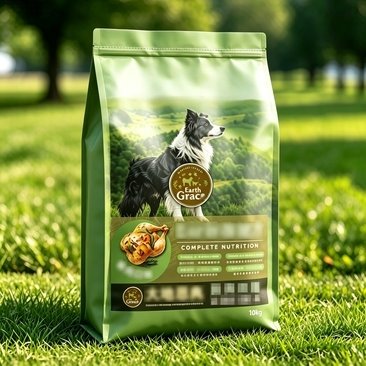
If you’re a brand looking to switch to natural pet food bags, or just have questions about which one works for your product, feel free to reach out to discuss your specific needs. We’ve worked with everything from tiny boutique cat treat brands to large regional dog food companies, and we can help you find something that checks all your boxes: safe for pets, good for the planet, and works for your business.
Livestock Feed Woven Bags References:
- Sustainable Packaging Coalition. (2022). Compostable Packaging Standards for Food Applications.
- Pet Food Packaging Institute. (2023). Material Safety Testing Guidelines for Pet Food Containers.
- USDA Agricultural Research Service. (2021). Performance of PLA-Based Films for Dry Pet Food Packaging.
- Paper and Fiber Packaging Association. (2022). Barrier Technologies for Moisture-Resistant Paper Pet Food Bags.
- European Bioplastics. (2023). Market Trends in Natural-Based Packaging for Pet Food Products.
Zhejiang Xifeng Packaging Co., Ltd.
We are one of the most experienced pet food bags manufacturers and suppliers in China. With a professional production team, we offer a wide range of products with superior quality. Please feel free to buy bulk pet food bags at competitive price from our factory. We also accept customized orders.
Address: Xiaojiang Town, Pingyang County, Wenzhou City, Zhejiang Province, China
E-mail: zjxifeng@126.com
WebSite: https://www.xifengpackaging.com/
