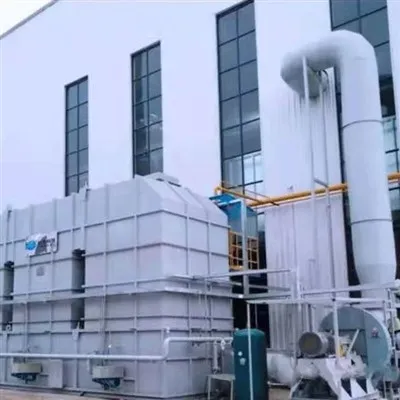
In the landscape of industrial chemistry, catalysts are the unsung heroes that enable a vast array of chemical processes to occur efficiently. As a leading supplier of industrial reactors, I’ve witnessed firsthand how the operating conditions within these reactors can significantly influence catalyst activity. Understanding these effects is crucial for optimizing industrial processes, enhancing productivity, and ensuring cost – effectiveness. Industrial Reactor
Temperature Effects
Temperature is one of the most critical operating parameters that impact catalyst activity. In general, an increase in temperature leads to an increase in the rate of chemical reactions on the catalyst surface, following the Arrhenius equation. At higher temperatures, the reactant molecules possess more kinetic energy, which means they are more likely to overcome the activation energy barrier and react on the catalyst sites.
For example, in the ammonia synthesis reaction using an iron – based catalyst, the reaction rate increases with temperature up to a certain point. The Haber – Bosch process, which is used for large – scale ammonia production in industrial reactors, operates at elevated temperatures (around 400 – 500 °C) to achieve a reasonable reaction rate. However, increasing the temperature beyond the optimal range can have detrimental effects on the catalyst.
High temperatures can cause sintering of the catalyst particles. Sintering is the process where small catalyst particles agglomerate to form larger ones, reducing the surface area available for reaction. This leads to a decrease in the number of active sites on the catalyst, and consequently, a decrease in catalyst activity. For instance, in some noble – metal catalysts used in automotive exhaust purification, excessive temperatures can cause the sintering of platinum, palladium, or rhodium particles, reducing their ability to convert harmful pollutants.
On the other hand, low temperatures can also be problematic. At very low temperatures, the reactant molecules may not have enough energy to react on the catalyst surface, resulting in a slow reaction rate. In addition, some catalysts may undergo phase transitions or become deactivated due to the adsorption of impurities at low temperatures. For example, in fuel cell catalysts, low operating temperatures can lead to the formation of water ice, which can block the active sites and reduce the catalyst’s performance.
Pressure Effects
Pressure also plays a significant role in determining catalyst activity in industrial reactors. For gas – phase reactions, an increase in pressure generally increases the concentration of reactant molecules, which in turn increases the frequency of collisions between reactant molecules and the catalyst surface.
Consider the methanol synthesis reaction from carbon monoxide and hydrogen over a copper – based catalyst. Increasing the pressure in the reactor can promote the reaction by increasing the reactant partial pressures. According to Le Chatelier’s principle, for reactions where the number of moles of gaseous reactants is greater than the number of moles of gaseous products, increasing the pressure will shift the equilibrium towards the product side, enhancing the overall conversion efficiency.
However, high pressure can also have negative impacts on the catalyst. Excessive pressure can cause mechanical stress on the catalyst structure, leading to catalyst fragmentation or deformation. This can disrupt the active site structure and reduce the catalyst’s ability to promote the reaction. Moreover, high – pressure conditions may increase the solubility of impurities in the reaction mixture, which can then adsorb on the catalyst surface and cause deactivation.
In some cases, low pressure may be beneficial. For example, in certain catalytic cracking reactions in the petroleum industry, operating at relatively low pressures can promote the formation of lighter hydrocarbon products. Low – pressure conditions can prevent the over – cracking of large hydrocarbon molecules and improve the selectivity of the desired products.
Reactant Concentration Effects
The concentration of reactants in the feed stream to the industrial reactor has a direct impact on catalyst activity. According to the Langmuir – Hinshelwood model, the rate of reaction on a catalyst surface is often related to the adsorption of reactant molecules on the active sites.
At low reactant concentrations, the rate of reaction is typically proportional to the reactant concentration. As the concentration of reactants increases, more reactant molecules are available to adsorb on the catalyst surface, increasing the reaction rate. However, at high reactant concentrations, the catalyst surface may become saturated with reactant molecules. Once the active sites are fully occupied, further increasing the reactant concentration will not significantly increase the reaction rate.
In addition to affecting the reaction rate, reactant concentration can also influence the selectivity of the catalyst. For example, in the oxidation of hydrocarbons, different reactant concentrations can lead to the formation of different oxidation products. A high concentration of oxygen may favor the complete oxidation of hydrocarbons to carbon dioxide and water, while a lower oxygen concentration may lead to the formation of partial oxidation products such as aldehydes or ketones.
Catalyst Poisoning and Impurities in the Feed
The presence of impurities in the feed stream to the industrial reactor is a major concern as they can cause catalyst poisoning. Poisons are substances that adsorb strongly on the catalyst surface, blocking the active sites and reducing catalyst activity.
Common catalyst poisons include sulfur compounds, halides, and heavy metals. In the hydrodesulfurization process, which is used to remove sulfur from petroleum products over a molybdenum – based catalyst, sulfur compounds in the feed can adsorb on the catalyst surface and deactivate it. To prevent this, pre – treatment steps such as hydro – treating are often employed to remove sulfur from the feed before it enters the reactor.
Halides can also be problematic. In some polymerization reactions using Ziegler – Natta catalysts, chloride ions can act as poisons, reducing the catalyst’s ability to initiate and propagate the polymerization reaction. Heavy metals such as lead and mercury can deposit on the catalyst surface and cause irreversible deactivation.
The operating conditions can influence the extent of catalyst poisoning. For example, high temperatures may increase the reactivity of poisons with the catalyst surface, accelerating the deactivation process. On the other hand, certain operating conditions may help to mitigate the effects of poisoning. For instance, in some cases, adding a small amount of a sacrificial agent to the feed can preferentially adsorb the poisons, protecting the active catalyst sites.
Impact on Catalyst Lifetime
The operating conditions not only affect the instantaneous activity of the catalyst but also have a long – term impact on its lifetime. Harsh operating conditions such as high temperatures, high pressures, and the presence of poisons can significantly reduce the catalyst’s lifespan.
A catalyst that is exposed to high temperatures for an extended period may undergo thermal degradation, leading to a gradual loss of activity over time. Similarly, continuous exposure to high – pressure conditions can cause mechanical damage to the catalyst structure, reducing its effectiveness. Catalyst poisoning can also lead to a progressive decline in activity, eventually requiring catalyst replacement.
On the other hand, optimizing the operating conditions can extend the catalyst’s lifetime. By carefully controlling the temperature, pressure, and reactant concentrations, and by removing impurities from the feed, the rate of catalyst deactivation can be minimized. This can result in significant cost savings for industrial operations, as catalyst replacement can be a major expense.
How Our Industrial Reactors Can Help
As an industrial reactor supplier, we understand the critical role that operating conditions play in catalyst activity. Our industrial reactors are designed to provide precise control over temperature, pressure, and reactant flow rates. We use advanced insulation materials and heating/cooling systems to ensure that the temperature within the reactor can be maintained at the optimal level for catalyst performance.
Our reactors are also equipped with pressure control valves and sensors to regulate the pressure accurately, preventing excessive pressure that could damage the catalyst. In addition, we offer pre – treatment units that can be integrated with our reactors to remove impurities from the feed stream, protecting the catalyst from poisoning.
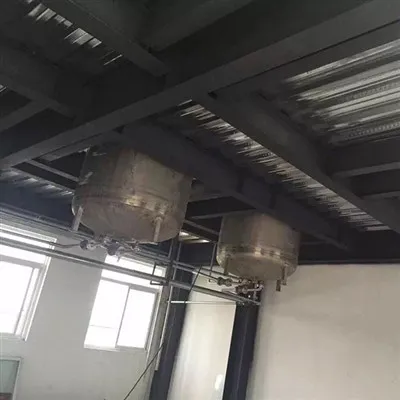
We work closely with our customers to understand their specific catalytic processes and operating requirements. Our engineering team can provide customized reactor solutions that are tailored to optimize catalyst activity and extend the catalyst’s lifetime.
Distillation Column If you are looking to enhance the performance of your catalytic processes and improve the efficiency of your industrial operations, we invite you to reach out to us. Our experienced sales team is ready to discuss your needs and provide you with detailed information about our industrial reactors. We believe that by choosing our reactors, you can achieve better control over operating conditions, leading to improved catalyst activity and overall process productivity.
References
- Levy, R., & Boudart, M. (1973). "Catalysis by Alloys". Science.
- Boudart, M., & Djega – Mariadassou, G. (1984). "Kinetics of Heterogeneous Catalytic Reactions". Princeton University Press.
- Ertl, G., Knözinger, H., & Weitkamp, J. (1997). "Handbook of Heterogeneous Catalysis". Wiley – VCH.
Wuxi Quansheng Industrial Equipment Co., Ltd.
As one of the most professional industrial reactor manufacturers and suppliers in China, we have world-leading production equipment and strong manufacturing capabilities. Welcome to buy high quality industrial reactor for sale here from our factory. For price consultation, contact us.
Address: No.10, Fulaiqiao Road, Hudai Town, Binhu District, Wuxi City, Jiangsu Province, China
E-mail: 397293586@qq.com
WebSite: https://www.pmmatech.com/
