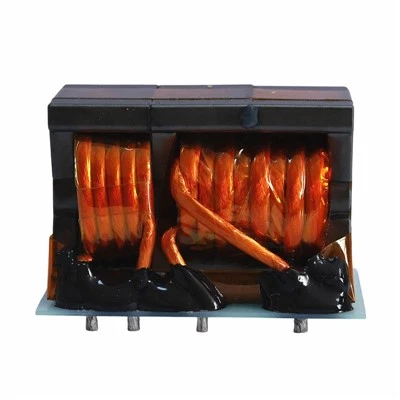
Hey there! As a supplier of high frequency transformers, I know how crucial insulation performance is. A high frequency transformer is like the heart of many electronic devices, and good insulation is what keeps it beating properly. So, in this blog, I’m gonna share some tips on how to ensure the insulation performance of a high frequency transformer. High Frequency Transformer
Understanding the Basics of Insulation in High Frequency Transformers
First off, let’s talk about why insulation is so important. In a high frequency transformer, there are high – voltage and high – frequency signals. If the insulation isn’t up to par, it can lead to all sorts of problems like electrical breakdown, short circuits, and interference.
The insulation materials we use play a huge role. We usually go for materials with high dielectric strength, low dielectric loss, and good thermal stability. Some common ones are polyimide films, epoxy resins, and ceramic materials. Polyimide films are great because they’re flexible and can handle high temperatures. Epoxy resins are easy to work with and can be molded into different shapes. And ceramic materials have excellent dielectric properties and can withstand high voltages.
Design Considerations for Insulation
When we’re designing a high frequency transformer, insulation is one of the top things we think about. The layout of the windings is super important. We need to make sure there’s enough space between the primary and secondary windings to prevent electrical arcing. This space is called the creepage distance and the clearance distance.
The creepage distance is the shortest path along the surface of the insulation material between two conductive parts. The clearance distance is the shortest distance through the air between two conductive parts. We follow industry standards to determine these distances. For example, in some applications, the creepage distance might need to be at least a few millimeters depending on the voltage levels.
Another design factor is the choice of bobbin. The bobbin is the part that holds the windings. It should be made of a good insulating material. We also need to make sure the bobbin has the right shape and size to support the windings and maintain proper insulation.
Manufacturing Processes for Insulation
During the manufacturing process, there are several steps to ensure good insulation. First, we take great care when winding the coils. We need to make sure the wire is evenly wound and there are no sharp bends or kinks that could damage the insulation.
We also use insulation coatings on the wire. These coatings act as an extra layer of protection. For example, we might use a thin layer of enamel on the copper wire. This enamel is a good insulator and helps prevent short circuits between adjacent turns of the coil.
After the coils are wound, we use potting compounds. Potting compounds are like a protective shell for the transformer. They fill the spaces between the windings and the bobbin, and they help to improve the insulation and protect the transformer from environmental factors like moisture and dust. We choose potting compounds based on their dielectric properties, thermal conductivity, and adhesion.
Testing and Quality Control
Testing is a crucial part of ensuring insulation performance. We have several tests we run on our high frequency transformers. One of the most common tests is the dielectric withstand test. In this test, we apply a high voltage to the transformer for a certain period of time. If the insulation is good, the transformer should be able to withstand this voltage without breaking down.
We also do insulation resistance tests. This test measures the resistance of the insulation material. A high insulation resistance value indicates good insulation. We use specialized equipment to measure the insulation resistance accurately.
In addition to these tests, we have a strict quality control system in place. We inspect every transformer during the manufacturing process to make sure there are no visible defects in the insulation. And before we ship out the transformers to our customers, we do a final round of testing to ensure they meet all the required standards.
Environmental Factors and Insulation
The environment where the high frequency transformer is used can have a big impact on its insulation performance. For example, high humidity can reduce the insulation resistance of the transformer. Moisture can seep into the insulation material and cause it to break down over time.
High temperatures can also be a problem. If the transformer gets too hot, the insulation material can start to degrade. That’s why we design our transformers to have good thermal management. We use materials with high thermal conductivity and we make sure there’s enough ventilation around the transformer.
On the other hand, if the environment is too cold, the insulation material can become brittle and crack. This can lead to a loss of insulation performance. So, we need to consider the temperature range of the application when we’re designing and manufacturing the transformer.
Maintenance and Monitoring
Even after the transformer is installed and in use, it’s important to do regular maintenance and monitoring. We recommend that our customers check the insulation resistance of the transformer periodically. If the insulation resistance value starts to drop, it could be a sign of a problem with the insulation.
We also suggest that customers keep an eye on the temperature of the transformer. If the temperature is consistently higher than normal, it could indicate that there’s an issue with the insulation or the thermal management of the transformer.
In some cases, we might need to replace the insulation material if it’s been damaged. This is a more complex process, but it’s sometimes necessary to ensure the long – term performance of the transformer.
Conclusion
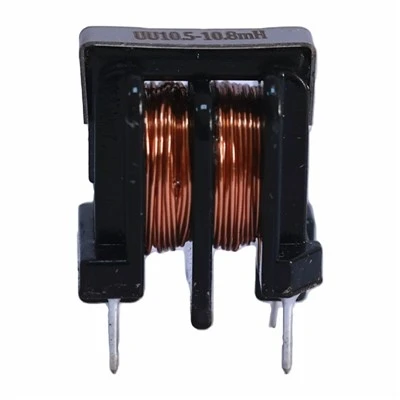
Ensuring the insulation performance of a high frequency transformer is a multi – step process that involves design, manufacturing, testing, and maintenance. By using the right insulation materials, following proper design guidelines, and implementing strict quality control measures, we can produce high frequency transformers with excellent insulation performance.
Power Transformer If you’re in the market for high frequency transformers and you’re looking for a reliable supplier, I’d love to talk to you. Whether you have specific requirements for insulation performance or any other aspects of the transformer, we can work together to find the best solution for your needs. Just reach out to us and let’s start a conversation about your project.
References
- Grover, F. W. (1946). Inductance Calculations: Working Formulas and Tables. Dover Publications.
- Rosa, E. B. (1908). The Self and Mutual Inductances of Linear Conductors. Bulletin of the Bureau of Standards, 4(2), 301 – 344.
- IEEE Standards Association. (2018). IEEE Standard for Safety of Information Technology Equipment, Including Electrical Business Equipment. IEEE Std 60950 – 1 – 2018.
Dongguan Hensiron Electric Co., Ltd.
As one of the most professional high frequency transformer suppliers in China, we have world-leading production equipment and strong manufacturing capabilities. Please feel free to buy high quality high frequency transformer made in China here from our factory. Customized orders are welcome.
Address: Building 4, Xinxing Industrial Zone, Wangao Road, Wanjiang Street, Dongguan City, China
E-mail: jessica@dghensiron.com
WebSite: https://www.dghensiron.com/
